
Jak stres wpływa na zęby, żuchwę i całe ciało — dlaczego to ważne

Większość ludzi kojarzy stres z gonitwą myśli, kołataniem serca albo bezsennością. Mało kto łączy go z tym, co dzieje się w ustach: z zębami, dziąsłami, żuchwą, stawem skroniowo-żuchwowym i napięciem mięśni twarzy. Tymczasem to właśnie tam stres bardzo często „wychodzi” jako pierwszy – tyle że w milczeniu. Organizm ma swoje prastare odruchy. Kiedy układ nerwowy przełącza się w tryb „walcz albo uciekaj”, napinają się nie tylko mięśnie ramion czy pleców, ale też mięśnie żucia. Łuki zębowe szczęki i żuchwy zaczynają się do siebie zbliżać częściej i mocniej, niż przewidziała natura. Człowiek zaciska zęby w dzień, ściera je w nocy, często o tym nie wiedząc. I wtedy powoli uruchamia się proces, który z poziomu mikroskopijnego zęba potrafi dojść aż do postawy całego ciała. Zęby pod presją – od mikropęknięć szkliwa do nadżerek i ubytków klinowych Zacznijmy od najmniejszych struktur. Szkliwo to najtwardsza tkanka w organizmie, ale nawet ono ma swoje granice. Przy przewlekłym zaciskaniu zębów powstają mikropęknięcia – maleńkie, często niewidoczne gołym okiem linie, które z biegiem czasu osłabiają szkliwo. Brzegi zębów stają się postrzępione, „nadgryzione”. Jednocześnie siły działające na łuki zębowe prowadzą do nadżerek i ubytków klinowych. Tkanka twarda wyciera się przy szyjkach zębowych. To powoduje: To objawy stresu mechanicznego, który trwa latami. Dziąsła i kość – stres ściska nie tylko zęby, ale i ich rusztowanie Ząb funkcjonuje w aparacie więzadłowym. Przeciążenia prowadza do: Stres nie zatrzymuje się na szkliwie – sięga głębiej. Staw skroniowo-żuchwowy (SSż) pod presją stresu Gdy krążek stawowy przesuwa się, pojawia sią: To moment, w którym wiele osób trafia do dentysty. SSż to jeden z najbardziej cierpliwych, ale też najbardziej narażonych stawów. Mięśnie żucia i skroniowe – kiedy stres widać na twarzy Napięcie prowadzi do: To tzw. zespół przetrwania – twarz w stanie gotowości. Zastoje limfatyczne i zmiana rysów twarzy Mięśnie żucia odpowiadają też za przepływ limfy. Przewlekły skurcz = gorszy drenaż = Od żuchwy do barków – jak napięcie przenosi się na ciało Bruksizm i napięcia twarzy prowadza do: Stres zapisany w zębach zapisuje się w ciele. Ciało kompensuje napięcia przez całe łańcuchy mięśniowo-powięziowe. Co naprawdę zabiera nam stres przez zęby? Potrzebujesz pomocy? W Unident Union diagnozujemy skutki stresu i bruksizmu, zanim pojawią się poważne objawy. Działamy interdyscyplinarnie: stomatologia, ortodoncja, fizjoterapia stawu, a w razie potrzeby – medycyna estetyczna. ✉ www.unidentunion.pl/konsultacja-online 📞 71 328 12 12
Czy aparaty samoligaturujące są mniej bolesne? Jeśli tak, to dlaczego?
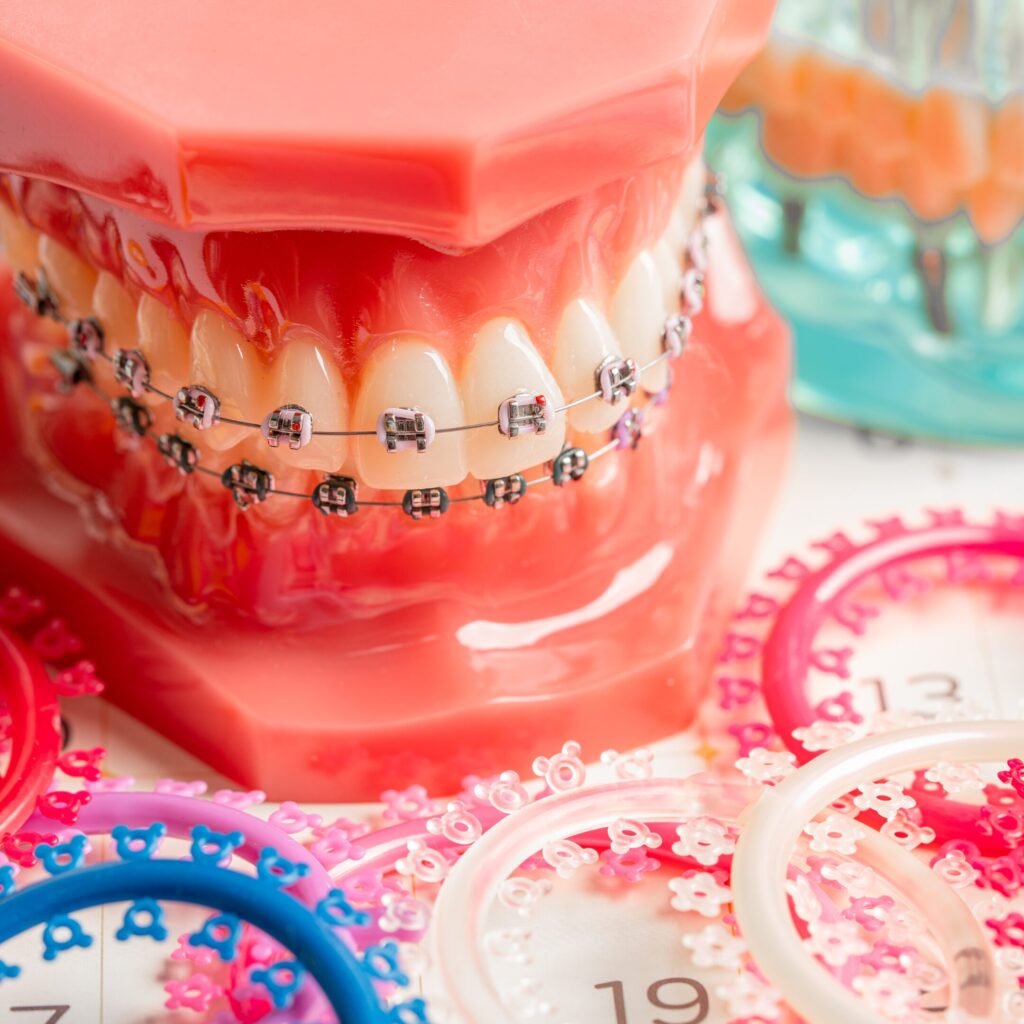
Dorośli pacjenci coraz częściej pytają, czy aparaty samoligaturujące faktycznie są mniej bolesne niż tradycyjne rozwiązania. I rzeczywiście – tak właśnie jest. Nie wynika to z marketingu, lecz z fizyki, konstrukcji zamków i biologii tkanek. W Unident Union widzimy to codziennie: samoligatury pozwalają prowadzić leczenie łagodniej, przewidywalniej i bliżej naturalnej fizjologii zęba. Dzięki temu adaptacja jest szybsza, a pierwsze tygodnie terapii przebiegają spokojniej niż w klasycznych aparatach. Dlaczego tradycyjne aparaty bolą bardziej? Różnica między obiema technikami zaczyna się w miejscu, które dla pacjenta jest niewidoczne – w sposobie przesuwania łuku w zamku.W tradycyjnym aparacie łuk jest ciasno dociskany do zamka gumową lub drucianą ligaturą, co tworzy wysokie tarcie. Aby zęby zaczęły się przesuwać, trzeba zwiększyć siłę, a większa siła oznacza większy ból. Pojawia się też silniejszy nacisk na ozębną, czyli strukturę, która reaguje na przeciążenie natychmiast. Jak działają aparaty samoligaturujące? W aparatach samoligaturujących wszystko wygląda inaczej. Łuk nie jest „przywiązany” ligaturą, ale prowadzony przez wbudowaną klapkę. Dzięki temu tarcie zmniejsza się nawet o 40–70%, co umożliwia działanie mikrosił.To siły na tyle delikatne, że tkanki przyjmują je bez protestu, a organizm szybciej adaptuje się do zmiany. Dla pacjenta oznacza to jedno: aparat pracuje płynnie, zamiast stawiać opór. Dlaczego samoligatury bolą mniej? Biologia a odczucia pacjenta Niższe tarcie oznacza mniejszy nacisk na ozębną. Zbyt duże siły aktywują receptory bólowe, ale kiedy siła jest niska, a jednocześnie stała, reakcja tkanek jest zdecydowanie łagodniejsza.Dlatego pacjenci w aparatach samoligaturujących najczęściej mówią:„Czuję ruch, ale to nie boli”. W Unident Union słyszymy to zdanie wyjątkowo często. Pierwsza faza leczenia – przewaga samoligaturujących zamków W tradycyjnych aparatach początkowe siły są wysokie i aktywują się natychmiast – co wywołuje ostry ból przez pierwsze 3–5 dni.Samoligatury działają inaczej: Dla pacjentów, którzy pracują, trenują lub prowadzą aktywny tryb życia, to różnica fundamentalna. Komfort pacjenta i przewidywalność leczenia – dlaczego to ma znaczenie? Leczenie, które nie boli, nie obciąża układu nerwowego.Daje większą motywację do kontynuacji terapii, a jednocześnie pozwala funkcjonować normalnie – bez rezygnowania z pracy i codziennych aktywności. Właśnie dlatego aparaty samoligaturujące tak dobrze sprawdzają się u dorosłych pacjentów. Podsumowując: aparaty samoligaturujące są mniej bolesne, ponieważ redukują tarcie, pracują z mikrosiłami, chronią ozębną i aktywują ruch zębów w zgodzie z ich biologią.Dla pacjenta to realna ulga, dla lekarza – większa przewidywalność, a dla całego procesu leczenia – harmonia i spokój. Jeśli chcesz sprawdzić, czy samoligatury będą najlepszym wyborem dla Twojej wady zgryzu, zapraszamy na konsultację w Unident Union. Prowadzimy dorosłych pacjentów łagodnie, biologicznie i z pełnym szacunkiem do struktury ich zębów.
Turbosy (turbobajty) – mały element, który ogromnie przyspiesza leczenie ortodontyczne
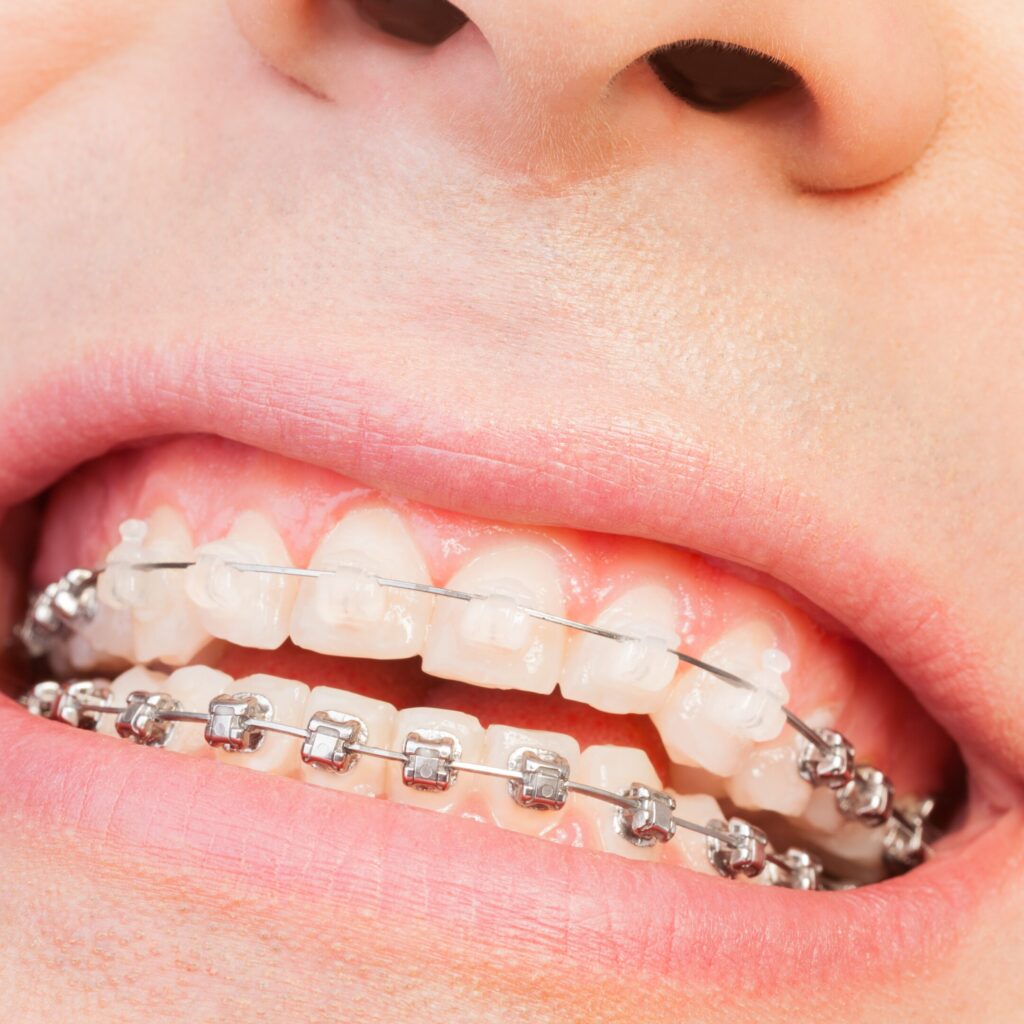
Pacjenci często pytają, jak działają turbosy ortodontyczne i dlaczego tak często stosujemy je w Unident Union. Turbosy, nazywane również turbobajtami, to niewielkie kompozytowe „poduszki” nakładane na wybrane zęby — zwykle na siekacze lub trzonowce. Choć wyglądają niepozornie, należą do najskuteczniejszych sposobów przyspieszenia pracy aparatu, szczególnie u dorosłych pacjentów ze zgryzem głębokim, odbudowami kompozytowymi lub zębami po bondingu projektowym. Dlaczego turbosy ortodontyczne przyspieszają leczenie? Najważniejszą funkcją turbosów jest rozklinowanie zgryzu, czyli delikatne oddzielenie łuku dolnego od górnego. Dzięki temu eliminujemy kolizje, które blokują ruch zębów i spowalniają działanie aparatu. Gdy zgryz jest otwarty: W przypadku pacjentów z licznymi odbudowami kompozytowymi turbosy są wręcz niezbędne — chronią zarówno aparat, jak i strukturę zęba. Turbosy a komfort — ulga dla mięśni i stawów Co ważne, turbosy ortodontyczne wpływają nie tylko na tempo leczenia. Dzięki rozklinowaniu zgryzu zmniejsza się również napięcie w stawach skroniowo-żuchwowych oraz w mięśniach dolnego piętra twarzy. Dzięki temu pacjenci zyskują: W wielu przypadkach poprawa jest odczuwalna już po kilku dniach. Z czego wykonuje się turbosy? Turbosy tworzy się z kompozytu — często w intensywnym kolorze, aby precyzyjnie odróżnić miejsce nakładania od naturalnej powierzchni zęba. Dzięki temu zdejmowanie lub korygowanie turbosów jest szybkie i bezpieczne. Jak długo nosi się turbosy ortodontyczne? Czas noszenia jest indywidualny i zależy od: Najczęściej turbosy pozostają w ustach kilka miesięcy, po czym usuwa się je, gdy zgryz otworzy się na tyle, że aparat może pracować samodzielnie, bez kolizji. Dlaczego w Unident Union zakładamy aparat jednocześnie na górę i na dół? Nowoczesna ortodoncja — zarówno europejska, jak i amerykańska (AAO) — opiera się na podejściu, w którym obydwa łuki zakłada się jednocześnie. Model „góra teraz, dół za rok” jest przestarzały i spowalnia leczenie. Dzięki turbosom możemy bezpiecznie: Bez turbosów takie prowadzenie leczenia byłoby niemożliwe u większości dorosłych pacjentów z głębokim lub ciasnym zgryzem. Turbosy — amerykański standard, który stał się filarem leczenia dorosłych Turbosy (turbobajty) wywodzą się z protokołów najlepszych amerykańskich szkół ortodontycznych, m.in. AAO oraz systemów typu DAMON / MBT. Początkowo stosowano je wyłącznie w trudnych przypadkach, dziś stanowią złoty standard nowoczesnej ortodoncji dorosłych. Ich główne zadania to: Dlaczego turbosy w Unident Union są tak ważne? Turbosy ortodontyczne: To niewielki element, który potrafi zmienić przebieg leczenia o 180 stopni — czyniąc je krótszym, bardziej przewidywalnym i przede wszystkim bezpiecznym dla całej struktury zgryzu. W Unident Union turbosy nie są „dodatkiem”, lecz przemyślaną częścią leczenia dorosłych. Ich rola to stworzenie warunków, w których aparat może działać szybko, bezpiecznie i zgodnie z biologią tkanek. To właśnie dlatego leczenie u nas jest krótsze, bardziej przewidywalne i przede wszystkim — komfortowe. Jeśli chcesz dowiedzieć się, czy turbosy będą potrzebne w Twoim planie leczenia, zapraszam Cię na konsultację ortodontyczną w Unident Union. Podczas wizyty ocenimy funkcję, zgryz, stawy, napięcia mięśniowe i całą architekturę Twojej twarzy, aby zaplanować terapię, która będzie delikatna, skuteczna i zgodna z Twoją naturą. 📍 Unident Union – Wrocław🌐 unidentunion.pl📞 71 328 12 12
Co to jest zamek samoligaturujący? – spojrzenie Unident Union
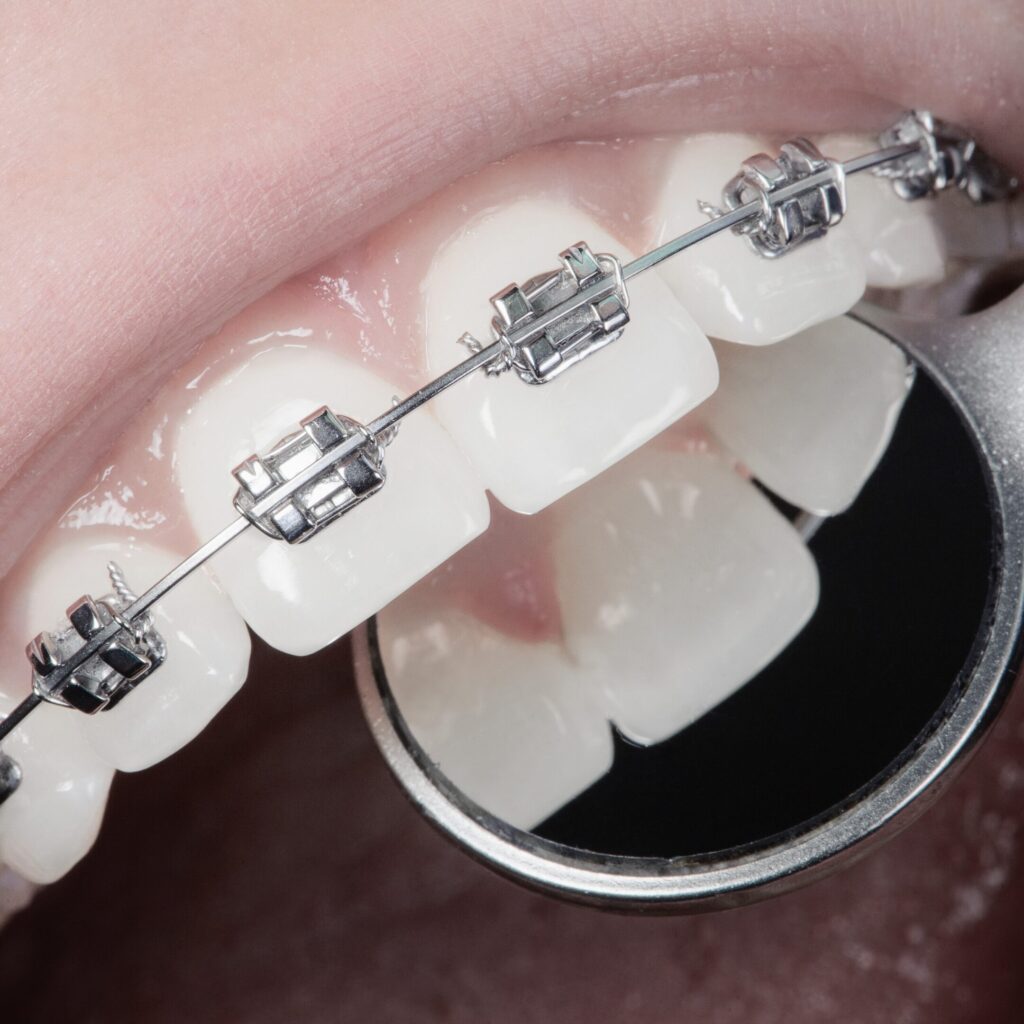
Dlaczego wybieramy zamki samoligaturujące w ortodoncji dorosłych? W Unident Union prowadzimy ortodoncję dorosłych bez ekstrakcji, a to oznacza jedno: każdy element aparatu musi wspierać naturalną biologię zęba, a nie ją przeciążać. Dlatego od lat pracujemy na zamkach samoligaturujących, które pozwalają leczyć subtelnie, delikatnie i przewidywalnie. Pacjenci często pytają mnie: „Co właściwie różni taki zamek od tradycyjnego?”Dziś odpowiem dokładnie, jasno i bez technicznego żargonu. Czym jest zamek samoligaturujący? Zamek, który sam utrzymuje łuk – bez gumek i bez nadmiernego tarciaZamek samoligaturujący to element stałego aparatu ortodontycznego, który zamyka łuk wbudowaną klapą, a nie gumką czy metalową ligaturą.Dzięki temu: łuk przemieszcza się swobodniej,ząb reaguje lżej i bardziej biologicznie,siły są mniejsze i bardziej kontrolowane,leczenie przebiega płynniej i często szybciej. To rozwiązanie szczególnie ważne u dorosłych, ponieważ ich tkanki nie reagują jak u nastolatków – wymagają precyzji, delikatności i mniejszej siły. Jak działa zamek samoligaturujący? Mniej siły, więcej biologii W zamkach tradycyjnych gumki „przytrzymujące” łuk zwiększają tarcie.To wymusza stosowanie większych sił, które dorosłe zęby znoszą trudniej. Zamek samoligaturujący: Dlatego świetnie wpisuje się w filozofię leczenia bez agresji, którą stosujemy w Unident Union. Zamki samoligaturujące: To właśnie dlatego stanowią podstawę naszego systemu leczenia. Jakie są korzyści z zamków samoligaturujących? H2: Najważniejsze zalety w Unident Union 1. Delikatne działanie Mniejsza siła oznacza większą zgodność z biologią zęba. 2. Mniejsze ryzyko bólu Pacjenci mówią często: „Czuję, że zęby pracują, ale to nie boli”. 3. Szybsze pierwsze etapy leczenia Łuk przesuwa się swobodniej, a to przyspiesza wyrównywanie zębów. 4. Wysoka higiena Brak gumek = mniej miejsc do odkładania płytki. 5. Stabilność biomechaniczna Zamki samoligaturujące pozwalają osiągnąć bardzo precyzyjne ustawienia, co w dorosłych przypadkach ma ogromne znaczenie. Czy zamki samoligaturujące skracają leczenie? W wielu przypadkach – tak, ale to nie magia, to biomechanika W Unident Union leczenie trwa najczęściej: Zamki samoligaturujące nie robią „cudu”.One po prostu pozwalają pracować biologii, zamiast ją przeciążać. Dlaczego w Unident Union wybieramy aparaty samoligaturujące? Bo pasują do naszej filozofii leczenia dorosłych bez ekstrakcji Zamki samoligaturujące: Są po prostu najlepszym narzędziem w ortodoncji dorosłych, gdzie kluczowe jest zrozumienie biologii, a nie siłowanie się z zębem. Zamek samoligaturujący to nie „inny rodzaj aparatu”.To inny sposób prowadzenia zębów — bardziej biologiczny, subtelniejszy i znacznie lepiej dopasowany do dorosłych pacjentów. Dlatego w Unident Union stanowi standard leczenia.To narzędzie, które pozwala nam realizować filozofię: bez ekstrakcji, bez agresji, z pełnym szacunkiem do tkanek. Jeśli chcesz dowiedzieć się, czy aparat z zamkami samoligaturującymi będzie najlepszą opcją w Twoim przypadku, zapraszam na konsultację do Unident Union. Podczas wizyty: • ocenię Twój zgryz,• dobiorę odpowiedni aparat,• przedstawię plan leczenia bez ekstrakcji,• omówię wszystkie etapy krok po kroku. 📍 Unident Union – Wrocław🌐 www.unidentunion.pl📞 71 328 12 12 CZY BONDING UTRUDNIA LECZENIE ORTODONTYCZNE? – PRAWDA, KTÓRĄ ZNAM Z 34 LAT PRACY Z DOROSŁYMI. CZY MOŻNA ZAKŁADAĆ APARAT NA STARTYCH ZĘBACH? ORTODONCJA DOROSŁYCH W UNIDENT UNION: LECZENIE BEZ EKSTRAKCJI, BEZ OPERACJI I BEZ KOMPROMISÓW. BIELSZY UŚMIECH, LEPSZY DZIEŃ – JAK WYBIELANIE ZMIENIA NIE TYLKO ZĘBY Bonding-element ortodoncji
„First Bond, Then Ortho”: autorska metoda leczenia dorosłych w Unident Union, która zmieniła sposób prowadzenia ortodoncji w Polsce.
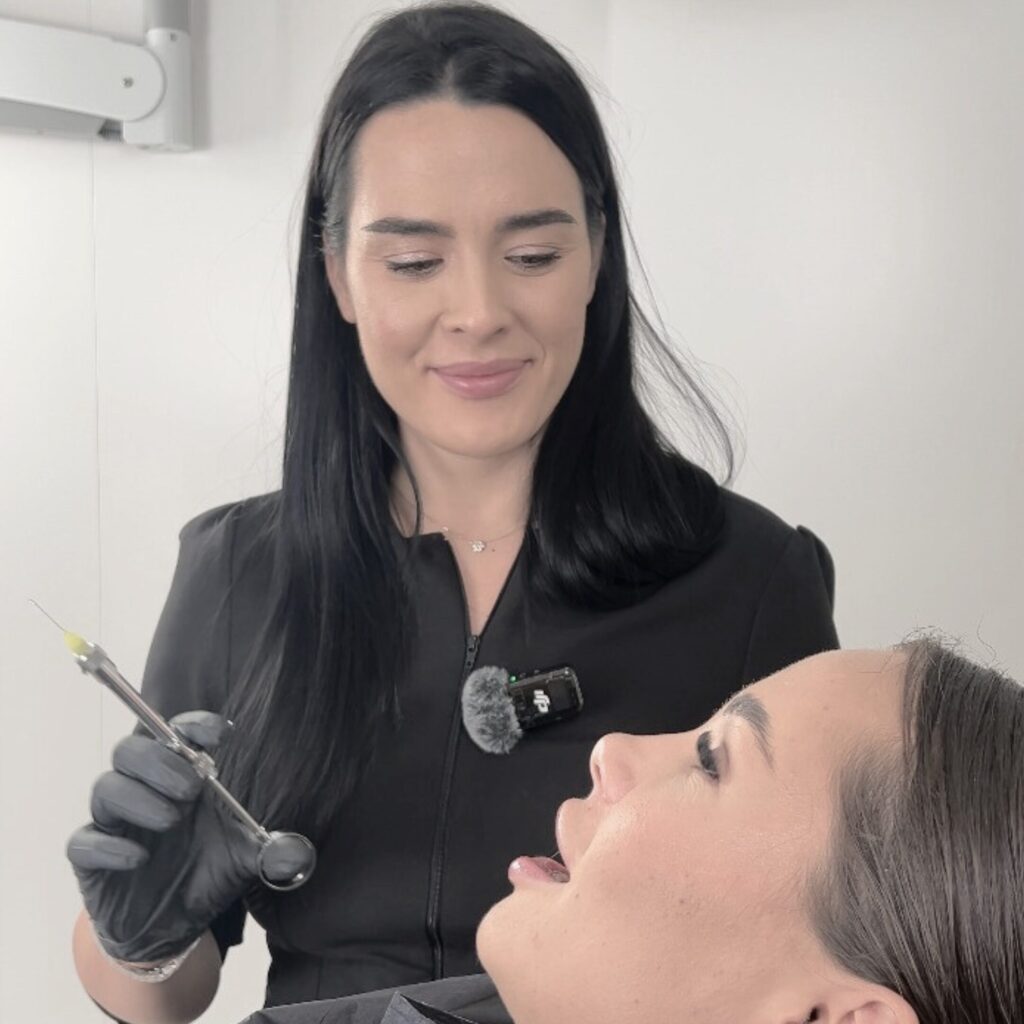
Pacjenci, którzy szukają ortodoncji dorosłych bez ekstrakcji, przyjeżdżają na First Bond do Unident Union Wrocław z całej Polski. Już podczas pierwszej rozmowy widzą to, co wyróżnia nas najbardziej: subtelność prowadzenia, logikę procesu i pełen szacunek do struktury ich zębów. Leczenie dorosłych nie może być agresją — dlatego First Bond stał się metodą, która przyciąga pacjentów z każdego końca kraju. W ortodoncji dorosłych nie chodzi o aparat.Nie chodzi też o technologie, choć są ważne.Chodzi o przywrócenie człowiekowi jego własnej twarzy, proporcji, długości zębów, funkcji i komfortu — zanim ruszy się choćby milimetr szkliwa. To właśnie dlatego ponad dekadę temu stworzyłam metodę, którą nazwałam: First Bond, Then Ortho – najpierw odbudowa, potem aparat. Philosophy before mechanics.Mądrość przed techniką.Droga przed narzędziem. Ta metoda stała się fundamentem leczenia w Unident Union i marką rozpoznawalną wśród dorosłych pacjentów z całej Polski.Przyjeżdżają, bo chcą być leczeni w sposób nieinwazyjny, dojrzały i przewidywalny. Dlaczego powstało „First Bond, Then Ortho”? Dorośli pacjenci, którzy trafiają do mojego gabinetu, często mają za sobą lata: • ścierania zębów• przeciążenia stawu skroniowo-żuchwowego• bruksizmu• połamanych krawędzi• przebarwień• nieprawidłowej funkcji języka• niewłaściwych kontaktów zgryzowych• mikropęknięć szkliwa Na takim uzębieniu klasyczna ortodoncja nie działa dobrze, bo aparat nie jest narzędziem odbudowy, tylko narzędziem prowadzenia zębów. Jeśli struktura jest skrócona, zaburzona lub asymetryczna, aparat tylko „wyprostuje problem”, zamiast go rozwiązać. Dlatego u dorosłych nie zaczyna się od aparatu.Zaczyna się od odbudowy — od przywrócenia tego, co zostało utracone z biegiem lat. Co daje metoda „First Bond, Then Ortho”? 1. Leczenie krótsze o połowę Większość pacjentów 12–18 miesięcy. 2. Stabilne efekty Zęby wracają na swoje naturalne miejsce anatomiczne. 3. Mniej bólu i mniej wizyt Bo aparat pracuje zgodnie z biologią zęba. 4. Ochronę zębów Zamiast szlifowania pod korony — odbudowa, która nie niszczy. 5. Estetykę już na początku leczenia Pacjent nie czeka „do zdjęcia aparatu”. 6. Brak operacji u pacjentów borderline U nas 90% uniknęło stołu operacyjnego. 7. Uśmiech, który nie jest efektem procedury Jest efektem filozofii. Dlaczego ta metoda działa tylko w ortodoncji dorosłych? Dorosły pacjent: • ma inną biologię kości• ma swoje przyzwyczajenia funkcjonalne• ma historię zębów• ma startą powierzchnię• ma swoją mimikę• ma swoją pracę stawu• ma oczekiwania, ale też świadomość U dorosłych nie można iść „na skróty”.Nie można ich leczyć jak nastolatków.Nie można wyrywać czterech zębów i podawać gotowych schematów. Dlatego „First Bond, Then Ortho” jest metodą stworzoną dla dorosłych, od początku do końca. Dlaczego pacjenci przyjeżdżają na First Bond z całej Polski? Bo widzą: • subtelność• logikę• szacunek do ich zębów• brak agresji• wiedzę• konsekwencję• doświadczenie I widzą efekty, które nie są przerysowane.Są ich — naturalne, spokojne, harmonijne. Chcesz sprawdzić, czy jesteś kandydatem do leczenia bez ekstrakcji i bez operacji?Zapraszam Cię na konsultację — pokażę Ci, jak wygląda bezpieczne prowadzenie zgryzu dorosłych w Unident Union. JAK WYGLĄDA ODBUDOWA ZĘBÓW PRZED APARATEM KROK PO KROKU? CZY PO ORTODONCJI BONDING TRZEBA WYMIENIAĆ? JAK KOMPOZYT WPŁYWA NA RUCHY ZĘBÓW? – PRAWDA O ORTODONCJI DOROSŁYCH, KTÓREJ NIKT NIE TŁUMACZY
Jak wygląda odbudowa zębów przed aparatem krok po kroku?
– przewodnik dla dorosłych pacjentów Unident Union W Unident Union od lat prowadzimy ortodoncję dorosłych bez ekstrakcji, opartą na filozofii, która stała się naszą wizytówką: First Bond Then Ortho.Jednak zanim zaczniemy leczenie aparatem, wykonujemy coś, czego w Polsce niemal nikt nie robi — bonding projektowy, czyli funkcjonalną odbudowę zębów, która przygotowuje je do bezpiecznych ruchów. Dorosły pacjent to historia lat, a czasem dekad.Dlatego leczenie ortodontyczne dorosłych nie może zaczynać się od aparatu.Musi zaczynać się od struktury — od stabilnego fundamentu, który aparat będzie mógł prowadzić tak, jak zaplanowaliśmy. Właśnie dlatego dziś opowiem, jak wygląda bonding projektowy przed aparatem, krok po kroku. Dlaczego wykonujemy bonding projektowy przed aparatem? W ortodoncji dorosłych liczy się każdy milimetr.Większość pacjentów, którzy trafiają do Unident Union Wrocław, ma: Dlatego aparat ortodontyczny nie jest w stanie: Te zadania realizuje bonding projektowy — pierwszy etap filozofii First Bond Then Ortho. To rekonstrukcja funkcjonalna, która nie jest jeszcze estetyką.To projekt, który tworzy warunki pod ortodoncję dorosłych bez operacji i bez ekstrakcji. Krok 1: Diagnostyka — analiza zgryzu dorosłych Diagnostykę traktujemy jak fundament całego procesu.Obejmuje: Ten etap decyduje o tym: Krok 2: Projekt — plan długości i proporcji Bonding projektowy musi być zgodny z: Dlatego tworzę projekt, który uwzględnia: To tutaj zaczyna się leczenie ortodontyczne dorosłych bez ekstrakcji — od projektu struktury. Krok 3: Przygotowanie pola — precyzja Unident Union Bonding projektowy wymaga idealnych warunków. Dlatego stosuję: Dorosłe zęby, często z wypełnieniami i pęknięciami, wymagają najwyższej precyzji.To właśnie tutaj zaczyna się stabilność późniejszej ortodoncji. Krok 4: Odbudowa warstwowa — tworzenie struktury pod aparat Bonding projektowy polega na funkcjonalnej odbudowie: Każdy milimetr wpływa na: Dlatego odbudowuję warstwami — przewidywalnie i zgodnie z projektem biomechanicznym. Krok 5: Ustawienie prowadzenia — kluczowe w ortodoncji dorosłych Po wykonaniu odbudów sprawdzam: U dorosłych zniszczone prowadzenie jest przyczyną większości starć.Dlatego bonding projektowy odtwarza je tak, aby żuchwa poruszała się: Ten etap decyduje o tym, czy ortodoncja dorosłych bez operacji może przebiegać stabilnie. Krok 6: Polerowanie — przygotowanie do pracy aparatu Bonding projektowy musi wytrzymać: Dlatego poleruję go wieloetapowo, aż do uzyskania: To nie jest „estetyka” — to biomechanika. Krok 7: Aparat — dopiero teraz zaczyna się ortodoncja dorosłych Gdy zęby są przygotowane, rozpoczynamy leczenie aparatem. Dzięki bondingowi projektowemu: To fundament naszego podejścia:bez ekstrakcji, bez operacji, bez niszczenia struktury. Krok 8: Bonding ostateczny — estetyczne wykończenie po ortodoncji Po zdjęciu aparatu wykonuję bonding ostateczny — finalną, estetyczną wersję odbudowy. Jest to: Bonding projektowy był funkcją.Bonding ostateczny jest pięknem. Podsumowanie Bonding projektowy jest pierwszym krokiem protokołu First Bond Then Ortho.Dzięki niemu całe leczenie: ✔ trwa krócej✔ jest stabilniejsze✔ przebiega bez ekstrakcji✔ chroni staw skroniowo-żuchwowy✔ odtwarza naturalną funkcję✔ umożliwia precyzyjną ortodoncję dorosłych A gdy aparat wykona swoją pracę, bonding ostateczny pozwala wykończyć uśmiech w sposób estetyczny, naturalny i trwały. To właśnie filozofia Unident Union. Zaproszenie na konsultację Jeśli chcesz dowiedzieć się, czy Twoje zęby potrzebują bondingu projektowego przed rozpoczęciem leczenia, zapraszam na konsultację do Unident Union we Wrocławiu. Podczas wizyty: • ocenię strukturę Twoich zębów• zaplanuję odbudowę projektową• przygotuję plan leczenia bez ekstrakcji• przedstawię ścieżkę First Bond Then Ortho 📍 Unident Union – Wrocław🌐 www.unidentunion.pl📞 71 328 12 12 Przeczytaj również Czy bonding utrudnia leczenie ortodontyczne? – prawda, którą znam z 34 lat pracy z dorosłymi. Czy po ortodoncji bonding trzeba wymieniać? Ortodoncja przedprotetyczna
Czy po ortodoncji bonding trzeba wymieniać?
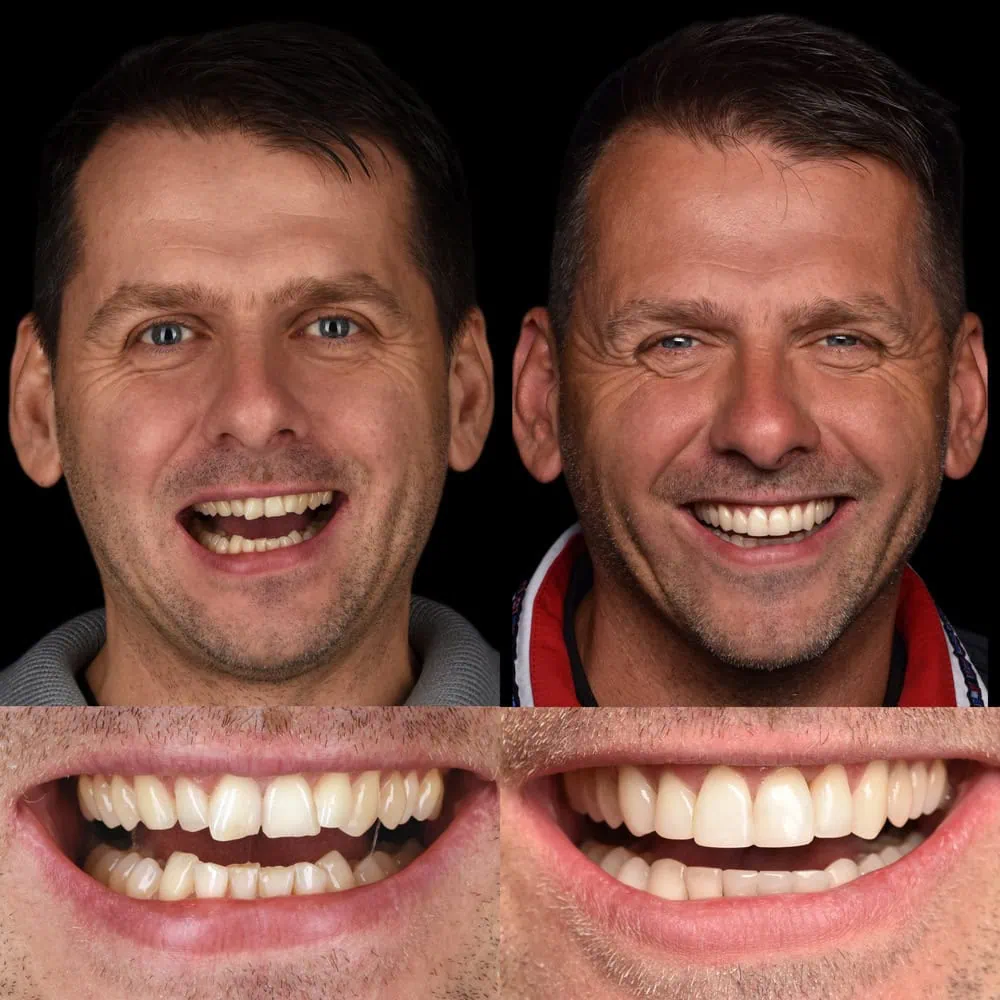
W Unident Union każdy dorosły pacjent zaczyna leczenie od tego samego pytania: „Pani Doktor, co stanie się z bondingiem po zdjęciu aparatu?Czy trzeba go wymieniać?” Odpowiadam spokojnie, bo ta odpowiedź jest fundamentem naszej filozofii. Tak — bonding po ortodoncji wymieniamy.Ale nie dlatego, że aparat go niszczy.Robimy to dlatego, że w Unident Union bonding dzieli się na dwie fazy: funkcjonalną i ostateczną. To nie jest etap estetyczny, który „trzeba poprawiać”.To świadoma, zaplanowana część leczenia dorosłych — tak samo ważna jak sam aparat. Bonding projektowy – odbudowa, która ma prowadzić leczenie, nie je kończyć Każdy dorosły pacjent przychodzi do nas z własną historią zębów:startych krawędzi, pęknięć szkliwa, utraty długości, przemieszczeń spowodowanych bruksizmem albo latami niewłaściwego zgryzu. Aparat ortodontyczny, choć jest narzędziem niezwykle precyzyjnym, nie może naprawić wszystkiego.Przede wszystkim nie odbuduje struktury, której już nie ma.Co więcej — nie przywróci prawidłowej długości zębów, jeśli zostały starte.Dodatkowo, nie stworzy punktów kontaktu, które fizycznie nie istnieją, a które są konieczne, aby leczenie dorosłego pacjenta przebiegało stabilnie i przewidywalnie. Dlatego w Unident Union wprowadziliśmy filozofię: First Bond — Then Ortho — Then Final Bond Bonding projektowy wykonywany przed aparatem: To rekonstrukcja funkcjonalna, terapeutyczna i w pełni odwracalna.Jej rolą nie jest estetyka.Jej rolą jest wprowadzić ząb w prawidłową pozycję wyjściową do leczenia. Dlaczego nie zostawiamy bondingu projektowego po ortodoncji? Ponieważ jego zadanie kończy się w chwili, gdy aparat wykonał swoją pracę. Gdy łuki są ustawione, a prowadzenie staje się harmonijne, dopiero wtedy widzimy: Bonding projektowy był narzędziem.Bonding ostateczny jest zakończeniem. To zupełnie inne rekonstrukcje — pełnią inne zadania i powstają w innym momencie leczenia. Bonding ostateczny – precyzyjna estetyczna rekonstrukcja po zdjęciu aparatu Po zakończeniu ortodoncji wykonujemy odbudowę finalną.To odbudowa: Dopiero na tym etapie możemy stworzyć uśmiech docelowy: „Bonding finalny jest nagrodą za cały proces. To piękne zakończenie leczenia, którego nie da się wykonać wcześniej.”— lek. stom. Iwona Gnach Czy aparat uszkadza bonding projektowy? Nie. Aparat w Unident Union działa: A ponieważ bonding projektowy jest wykonywany z myślą o tych siłach, aparat: Bonding projektowy jest „członkiem zespołu”, nie przeszkodą. Podsumowanie Bonding projektowy to początek leczenia.Bonding ostateczny to jego finalne, przemyślane i dopracowane zakończenie. Dlatego w Unident Union: To nie jest estetyka.To filozofia ochrony struktury i funkcji — jedyna w Polsce na taką skalę. „Leczenie dorosłych nie kończy się zdjęciem aparatu.Kończy się wtedy, gdy ząb ma swoją docelową formę i prowadzenie.”— lek. stom. Iwona Gnach
Jak kompozyt wpływa na ruchy zębów? – prawda o ortodoncji dorosłych, której nikt nie tłumaczy
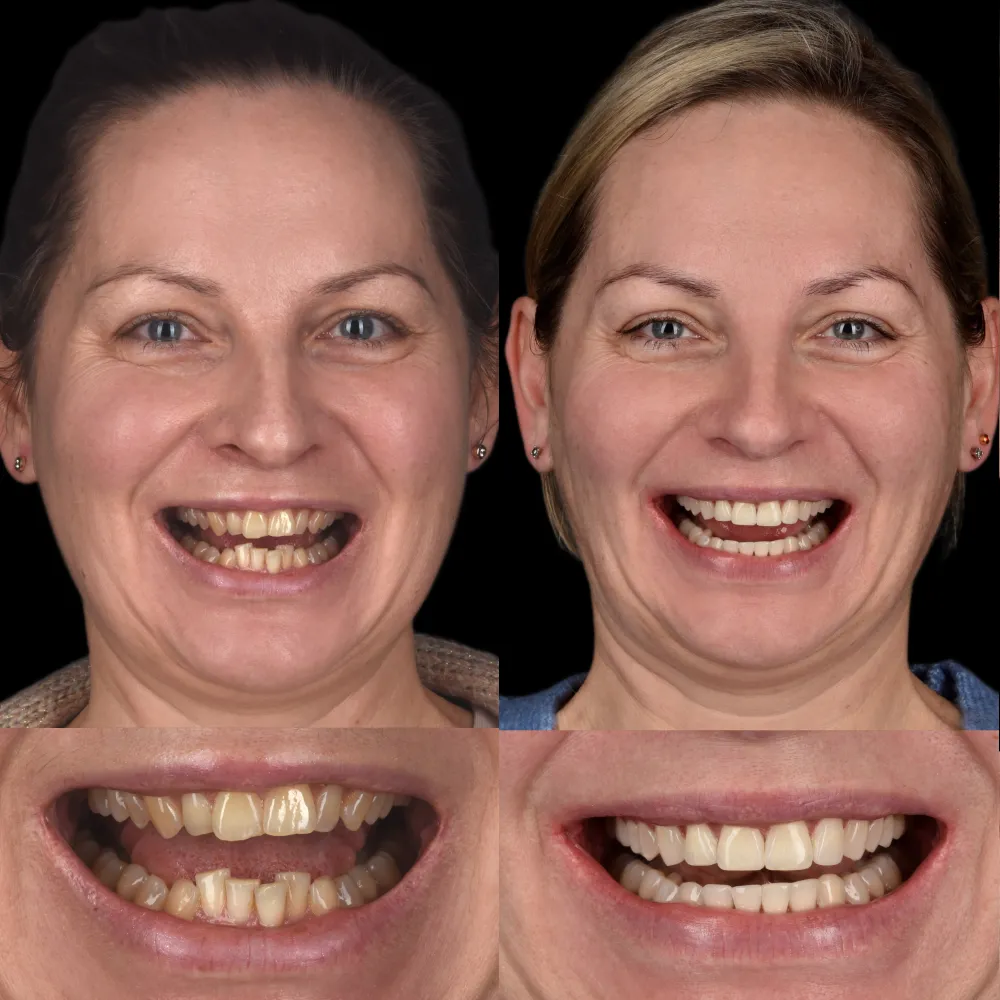
Kiedy 34 lata temu zaczynałam pracę z dorosłymi pacjentami, nikt nie mówił o odbudowie kompozytowej jako „pierwszym etapie ortodoncji”.A dziś — w Unident Union — nie wyobrażam sobie leczenia dorosłych bez niej. Kompozyt nie jest dodatkiem.Nie jest kosmetyką.Nie jest „upiększeniem”. Kompozyt jest narzędziem ortodontycznym.Jednym z najważniejszych. I wbrew temu, co pacjenci często czytają w internecie — nie utrudnia ruchów zębów.On je stabilizuje i prowadzi. Dlaczego kompozyt nie blokuje ruchów zębów? Bo ząb nie porusza się w szkliwie.Nie porusza się w zębinie.Nie porusza się w kompozycie. Ząb porusza się w ozębnej. To ozębna — cienka, elastyczna tkanka łączna — reaguje na siły ortodontyczne.To ona przebudowuje kość.To ona „prowadzi” ząb w nową pozycję. Dlatego materiał, który znajduje się na koronie zęba (czyli bonding), nie ma wpływu na biologię ruchu. Ząb z odbudową kompozytową porusza się tak samo, jak ząb naturalny. Co daje odbudowa przed aparatem? W Unident Union stosujemy zasadę: Najpierw odbudowujemy, potem prostujemy. Dlaczego? Bo dorosły pacjent często nie ma zębów w stanie, który pozwala rozpocząć prawidłową biomechanikę ortodontyczną. Kompozytem możemy: Aparat nie zrobi tego za nas. Aparat nie przywróci długości zęba.Aparat nie odbuduje startych krawędzi.Aparat nie stworzy stabilnych punktów kontaktu. Kompozyt — tak. „Odbudowa daje zębom właściwy start. Aparat po prostu prowadzi je dalej.”— lek. stom. Iwona Gnach Czy aparat trzyma się na kompozycie tak samo dobrze jak na szkliwie? Tak.W nowoczesnej ortodoncji kompozyt i szkliwo są równorzędnym podłożem adhezyjnym. Zamki samoligaturujące, których używamy w Unident Union, mają powierzchnię klejenia, która: ✔ trzyma się stabilnie,✔ nie wywołuje naprężeń,✔ nie odkleja materiału,✔ działa przewidywalnie przez cały proces leczenia. Dobrze wykonany bonding jest tak samo „mocny” dla aparatu, jak naturalne szkliwo. Czy kompozyt może się uszkodzić podczas leczenia? To jedno z największych obaw dorosłych pacjentów. Odpowiedź jest spokojna:nie — jeśli odbudowa została wykonana prawidłowo. W Unident Union pracujemy w systemach, które zapewniają: A jeśli ząb wymaga korekty kompozytu w trakcie leczenia? Możemy to zrobić bez zdejmowania aparatu.To kolejna przewaga kompozytu — możliwość precyzyjnej regulacji. Kompozyt poprawia biomechanikę — nie zaburza jej To zdanie często zaskakuje pacjentów, ale tak wygląda współczesna ortodoncja dorosłych. Dzięki odbudowie możemy: Właśnie dlatego w Unident Union nie tylko nie unikamy kompozytu,ale traktujemy go jako element planu ortodontycznego. Co by się stało, gdybyśmy pominęli odbudowę? Pacjenci często pytają: „A co, jeśli najpierw założymy aparat, a odbudowę zrobię po leczeniu?” Odpowiadam szczerze: • zęby mogą ustawiać się w niewłaściwych relacjach,• ruch może być mniej przewidywalny,• czas leczenia może się wydłużyć,• efekt końcowy może być niestabilny,• retencja może wymagać więcej korekt. Odbudowa to fundament, nie dekoracja. Kompozyt i ortodoncja to duet — nie konflikt W leczeniu dorosłych odbudowa kompozytowa nie jest przeciwwskazaniem.Jest wsparciem.Jest ochroną.Jest przygotowaniem do precyzyjnych, delikatnych ruchów, bez uszkadzania struktury zęba. To nie jest estetyka.To strategiczne leczenie. „Zęby odbudowane kompozytem prowadzą aparat stabilniej, szybciej i bardziej przewidywalnie. To jest fakt.”— lek. stom. Iwona Gnach Zaproszenie na konsultację Jeśli chcesz wiedzieć, czy Twoje zęby wymagają odbudowy przed aparatem — zapraszam Cię na indywidualną konsultację w Unident Union. Podczas wizyty: • ocenię strukturę zębów,• sprawdzę stopień starcia,• omówię potrzebne odbudowy,• zaplanuję leczenie ortodontyczne w filozofii First Bond, Then Ortho — bez ekstrakcji, bez operacji, bez agresji. 📍 Unident Union – Wrocław🌐 www.unidentunion.pl📞 71 328 12 12
Czy bonding utrudnia leczenie ortodontyczne? – prawda, którą znam z 34 lat pracy z dorosłymi.
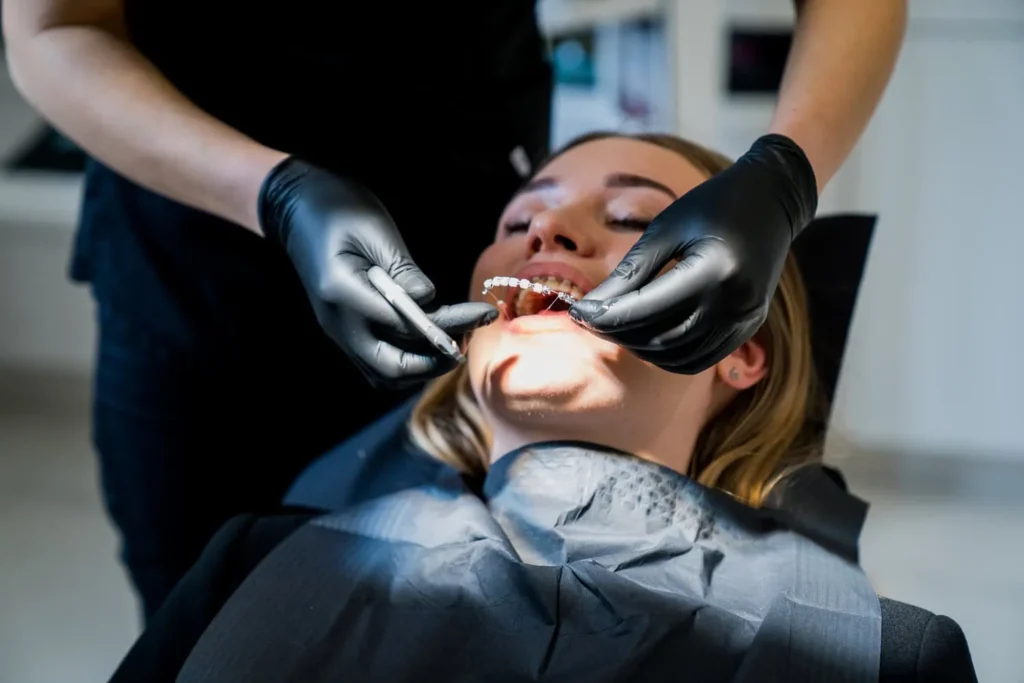
Od ponad 34 lat pracuję z dorosłymi pacjentami.Przychodzą do mnie z historią startych zębów, bruksizmu, dawnych urazów, przedwczesnego starzenia się zgryzu.I niemal każdego tygodnia słyszę to samo pytanie: „Pani Doktor, czy bonding nie przeszkodzi mi w leczeniu ortodontycznym?” Odpowiadam zawsze tak samo, spokojnie i z pełnym przekonaniem: Bonding nie tylko nie utrudnia leczenia ortodontycznego.On często je umożliwia. W Unident Union nie traktujemy odbudowy jako problemu.Odbudowa jest fundamentem – biologicznym, estetycznym i funkcjonalnym. Dlaczego tak wielu lekarzy myśli odwrotnie? W wielu gabinetach bonding postrzega się jako „coś, co aparat może uszkodzić” albo „coś, co przeszkadza w przyklejeniu zamków”. To spojrzenie sprzed 20 lat. Współczesne kompozyty:✔ są kompatybilne z adhezją ortodontyczną,✔ mają stabilną powierzchnię,✔ dają przewidywalną retencję zamka,✔ można je dopracować, korygować, polerować i dostosowywać także w trakcie leczenia. Aparat nie „boi się” bondingu.A bonding nie „boi się” aparatu. To kwestia filozofii, nie technologii. **Bonding nie przeszkadza. Bonding przygotowuje zęby do leczenia.** W Unident Union obowiązuje zasada: Najpierw odbudowujemy, potem prostujemy. (First Bond, Then Ortho) Dlaczego? Bo dorosły pacjent często nie ma zębów w takiej formie, aby rozpocząć bezpieczne leczenie ortodontyczne.Starta krawędź, skrócony ząb, ubytek szkliwa, pęknięcie – wszystko to zaburza: • wysokość zwarcia• prowadzenie sieczne• stabilność łuku• sposób, w jaki zęby „rozmawiają” ze sobą podczas ruchów żuchwy. Aparat nie uzupełnia brakującej struktury.Nie wydłuży zęba.Nie odbuduje startych powierzchni.Nie stworzy punktów kontaktu, których fizycznie nie ma. Kompozyt – tak.Ortodoncja – dopiero po nim. „Odbudowując zęby przed leczeniem, przywracamy im pełną wysokość i funkcję. Aparat dopiero wtedy może prowadzić je do naturalnej pozycji, bez agresji i bez utraty tkanek.”— lek. stom. Iwona Gnach Czy bonding utrudnia przyklejenie zamków? To jedno z najczęstszych obaw pacjentów. Odpowiedź: nie. Nowoczesne zamki samoligaturujące, których używamy w Unident Union, mają system adhezyjny, który działa doskonale zarówno na: ✔ szkliwie,✔ kompozycie,✔ odbudowach zachowawczych,✔ nowych, wypolerowanych powierzchniach. Przygotowanie zęba jest minimalne, atraumatyczne i w pełni bezpieczne dla warstwy kompozytu. A co z przemieszczaniem zęba pokrytego bondingiem? Ruch zęba zachodzi w ozębnej – nie w szkliwie.Oznacza to, że dla biologii zęba nie ma znaczenia, czy korona jest częściowo odbudowana. Liczy się: • siła• kierunek• tempo• biomechanika• stosowana technika terapeutyczna Zamki samoligaturujące, których używamy, pozwalają na bardzo delikatne, miękkie prowadzenie zębów, co sprawia, że nawet odbudowane zęby reagują harmonijnie. Największy mit: „Bonding się odklei podczas noszenia aparatu” Nie.Jeżeli używa się: ✔ prawidłowej techniki adhezyjnej,✔ odpowiedniego kompozytu,✔ właściwej izolacji pola zabiegowego,✔ prawidłowego polerowania, —to bonding jest stabilny nawet przez lata. A jeśli ząb wymaga korekty w trakcie leczenia?Można to zrobić bez zdejmowania aparatu. Kompozyt to materiał elastyczny terapeutycznie – można go dodawać, odejmować, modelować.Właśnie dlatego jest tak idealny do leczenia dorosłych. W Unident Union bonding jest elementem leczenia, nie przeszkodą. To nie jest estetyka.To nie są „nakładki na zęby”. To narzędzie ortodontyczne. Bonding odbudowuje: • długość zęba,• kontakt zwarciowy,• stabilność łuku,• prawidłową funkcję żucia,• naturalną geometrię uśmiechu. Dając aparatom samoligaturującym prawidłowy „punkt startowy”, pozwalamy im działać szybciej, przewidywalniej i łagodniej. Co by było, gdybyśmy pominęli odbudowę? To pytanie czasem zadają pacjenci. Odpowiadam szczerze: • zęby mogłyby nie ustawiać się we właściwy sposób,• aparat mógłby prowadzić je w stronę wadliwych kontaktów,• niektóre ruchy byłyby niemożliwe,• moglibyśmy uzyskać nienaturalną estetykę,• retencja mogłaby być niestabilna. Odbudowa to stabilizacja.Odbudowa to prowadzenie.Odbudowa to fundament. Nie jest dodatkiem – jest częścią procesu. **Czy bonding utrudnia leczenie? Nigdy.Ułatwia je na każdym etapie.** W Unident Union leczymy tak, aby: ✔ nie usuwać zdrowych zębów,✔ nie szlifować pod korony,✔ nie prowadzić dorosłego pacjenta „agresywną biomechaniką”,✔ nie pogłębiać starcia,✔ nie ingerować w strukturę, którą można ochronić. Dlatego bonding jest jednym z naszych najważniejszych narzędzi.Transparentnym, bezpiecznym, przewidywalnym. „Bonding to nie przeszkoda. To początek leczenia, które ma chronić – nie niszczyć.”— lek. stom. Iwona Gnach Zaproszenie na konsultację Jeśli chcesz dowiedzieć się, czy bonding będzie częścią Twojego planu ortodontycznego — zapraszam Cię na konsultację w Unident Union. Podczas wizyty: • ocenię strukturę Twoich zębów,• sprawdzę stopień starcia,• omówię, czy potrzebujesz odbudowy przed aparatem,• przedstawię pełny plan leczenia bez ekstrakcji, bez operacji, bez agresji. 📍 Unident Union – Wrocław🌐 www.unidentunion.pl📞 71 328 12 12
Bonding in front of the camera - why and when?
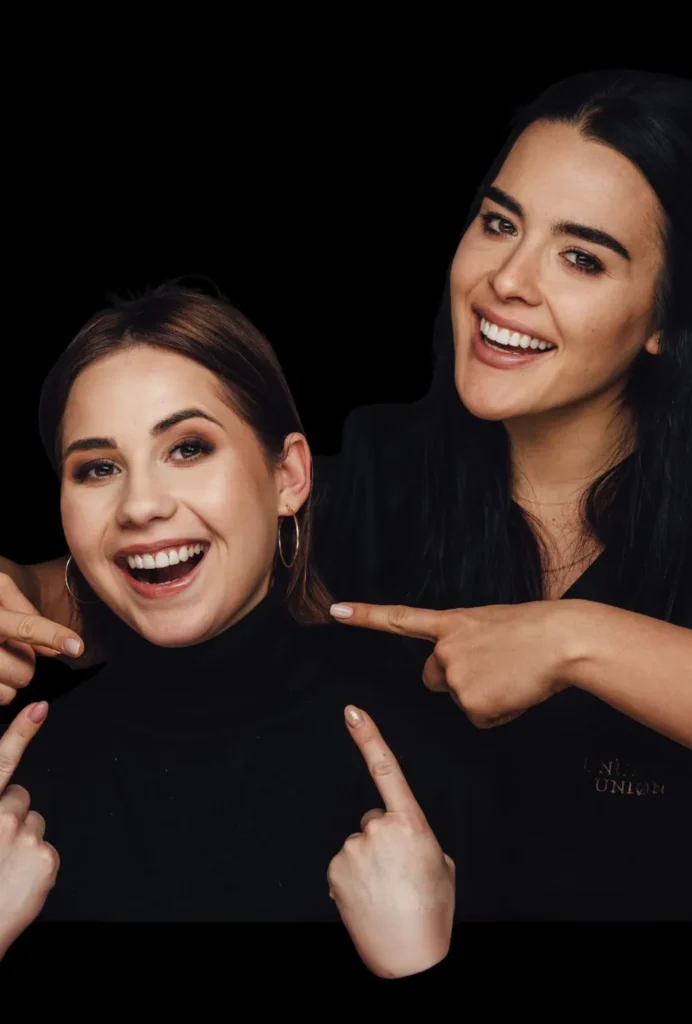
Bonding to pierwszy krok w leczeniu dorosłych – etap, który pozwala przywrócić zębom ich naturalną długość, funkcję i proporcje, zanim rozpoczniemy ortodoncję.W Unident Union to nie zabieg estetyczny, lecz medyczny fundament harmonii i bezpieczeństwa. Dlaczego dorosły pacjent potrzebuje odbudowy przed leczeniem ortodontycznym Wielu dorosłych pacjentów trafia do Unident Union z przekonaniem, że wystarczy „założyć aparat i wyprostować zęby”.W praktyce, u osób dorosłych zgryz ma swoją historię — starte krawędzie, skrócone korony, stare wypełnienia, przesunięte kontakty i przeciążony staw skroniowo-żuchwowy. Aparat nie naprawi tych zmian.On tylko porusza zębami – a jeśli są one niepełne, krótkie lub niestabilne, ruch nie będzie prawidłowy. „Nie prostuję zębów, które są zniszczone.Najpierw przywracam im to, co zabrał czas, a dopiero potem je ustawiam.”— lek. stom. Iwona Gnach, Unident Union Właśnie dlatego w Unident Union leczenie dorosłych zaczynamy od bondingu – odbudowy kompozytowej zębów, zanim założymy aparat.To etap, który decyduje o bezpieczeństwie i trwałości całego leczenia. Co to jest bonding? Bonding to nowoczesna metoda mikroodbudowy zębów materiałem kompozytowym – w sposób nieinwazyjny, bez szlifowania, bez bólu i bez utraty tkanek. W Unident Union bonding wykonuje się z precyzją, która pozwala: „Bonding to nie zabieg estetyczny.To medyczny fundament dla zdrowego zgryzu.”— lek. stom. Iwona Gnach, Unident Union Po co odbudowywać zęby przed aparatem? W klasycznej ortodoncji najpierw zakłada się aparat, a dopiero potem myśli o odbudowach.W Unident Union robimy odwrotnie, ponieważ zniszczony zgryz nie jest stabilny. Bonding przed aparatem: To dzięki bondingowi ortodoncja dorosłych w Unident Union jest bezpieczna i przewidywalna. „Jeśli nie odbudujemy tego, co brak, aparat nie będzie miał czego ustawiać.Wtedy leczenie nie jest biologią – tylko mechanicznym przymusem.”— lek. stom. Iwona Gnach, Unident Union Kiedy bonding jest konieczny? Nie każdy pacjent wymaga odbudowy, ale u dorosłych to bardzo częste zjawisko.Wskazaniami są: Bonding pozwala wyrównać różnice w wysokości zębów i przygotować idealną sytuację do leczenia aparatem. W Unident Union każdy plan rozpoczyna się od cyfrowej analizy zwarcia i estetyki twarzy, dzięki czemu bonding nie jest przypadkowy — jest precyzyjnie zaprojektowany pod przyszły uśmiech. Bonding i staw skroniowo-żuchwowy – związek, o którym mało kto mówi Przy startych zębach zmienia się nie tylko uśmiech, ale też pozycja żuchwy i praca stawu skroniowo-żuchwowego (SSŻ).Pacjent często odczuwa napięcia, bóle głowy, szumy w uszach lub klikanie w stawie. Bonding przywraca prawidłową wysokość zwarcia, co odciąża SSŻ i stabilizuje tor żucia.Dopiero wtedy można wprowadzić aparat bez ryzyka przeciążeń. „Kiedy staw skroniowo-żuchwowy jest spokojny, cała twarz zaczyna oddychać naturalnie.”— lek. stom. Iwona Gnach, Unident Union Efekt: nie tylko piękny uśmiech, ale zdrowa biomechanika Bonding przed aparatem to coś więcej niż etap estetyczny – to strategiczne przygotowanie organizmu do ortodoncji.Efekt końcowy jest nie tylko piękniejszy, ale przede wszystkim zdrowszy, stabilniejszy i bardziej trwały. Pacjent zyskuje: Podsumowanie: First Bond, Then Ortho – filozofia Unident Union W Unident Union nie zakładamy aparatu na przypadek.Zakładamy go na przygotowany, odbudowany i zrozumiany zgryz. Bonding to pierwszy krok – most między estetyką, biologią i funkcją.Dzięki niemu ortodoncja dorosłych staje się bezpiecznym procesem przywracania harmonii twarzy, a nie mechanicznym prostowaniem zębów. „Bonding to dialog z naturą zęba.Jeśli go posłuchasz – zgryz sam znajdzie swoje miejsce.”— lek. stom. Iwona Gnach, Unident Union Zaproszenie na konsultacje Jeśli Twoje zęby są starte, a Ty zastanawiasz się, od czego zacząć – zapraszam Cię na konsultację w Unident Union.Zanim założymy aparat, sprawdzimy, czy potrzebna jest odbudowa, w jakim zakresie i jak wpłynie na funkcję stawu skroniowo-żuchwowego. „Najlepsze leczenie zaczyna się od rozmowy, nie od aparatu.”— lek. stom. Iwona Gnach, Unident Union 📍 Umów konsultację w Unident Union Wrocław🔹 Online: www.unidentunion.pl/konsultacja-online🔹 W klinice Unident Union, al. Kochanowskiego 20 Wrocław📞 tel. 71 328 12 12
Can braces be fitted on worn down teeth?
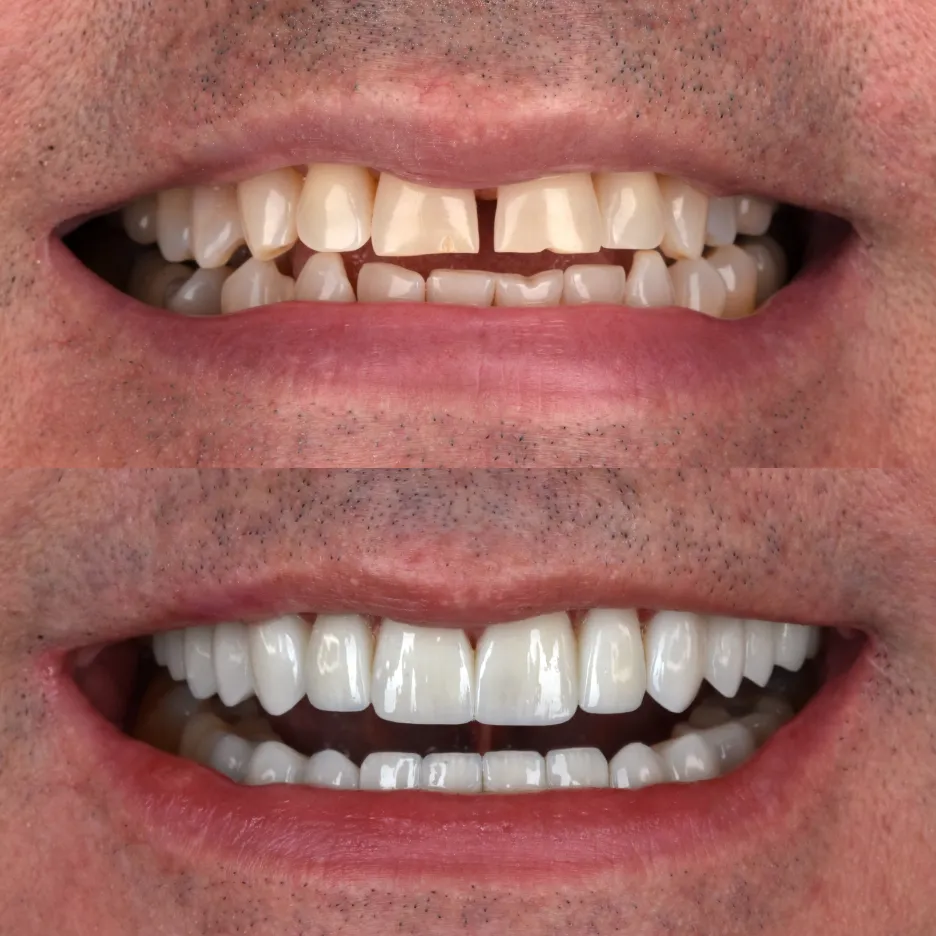
Wielu dorosłych pacjentów trafia do Unident Union z pytaniem:„Czy mogę założyć aparat, jeśli moje zęby są starte?” To jedno z najczęstszych pytań, jakie słyszymy w gabinecie.Za każdym razem odpowiedź brzmi: tak – ale nie od razu. Bo w Unident Union leczenie dorosłych nie zaczyna się od aparatu.Zaczyna się od zrozumienia, co doprowadziło do starcia zębów i jak przywrócić równowagę całego układu żucia. Starty zgryz – co naprawdę dzieje się w jamie ustnej Ścieranie zębów to proces, który rzadko ma jedną przyczynę.Zazwyczaj to efekt wielu lat napięć, stresu, zgrzytania, złych kontaktów zgryzowych i nieprawidłowej pracy stawu skroniowo-żuchwowego (SSŻ). Kiedy zęby się skracają, a wysokość zwarcia maleje, cały układ traci stabilność.Staw zaczyna kompensować te zmiany – często słychać wtedy „kliknięcia”, przeskakiwanie, a pacjent czuje napięcie w okolicy skroni lub szyi. „Starty zgryz to zawsze historia o przeciążeniu.Aparat nie rozwiąże jej sam, jeśli wcześniej nie odbudujemy równowagi.”— lek. stom. Iwona Gnach, Unident Union Dlatego przed rozpoczęciem leczenia ortodontycznego każdy pacjent w Unident Union przechodzi pełną analizę funkcjonalną stawu skroniowo-żuchwowego i zwarcia.To fundament bezpieczeństwa i stabilności efektu. Dlaczego nie zaczynamy od aparatu Aparat ortodontyczny działa precyzyjnie, ale nie jest „narzędziem naprawczym” dla zębów, które są już zniszczone.Jeśli zęby są starte, skrócone lub mają zaburzone kontakty, siły aparatu mogą pogłębić problem. W Unident Union odwracamy kolejność: Najpierw odbudowujemy, potem prostujemy. To właśnie autorska filozofia „First Bond, Then Ortho”, opracowana przez lek. stom. Iwonę Gnach.Najpierw przywracamy zębom długość, kształt i funkcję – dopiero potem wprowadzamy aparat. Bonding przed aparatem – fundament bezpiecznego leczenia Bonding to mikroodbudowa kompozytowa zębów, wykonywana z ogromną precyzją.Nie chodzi tu tylko o estetykę, lecz o przywrócenie naturalnej wysokości zwarcia i prawidłowej pracy stawu skroniowo-żuchwowego. Po odbudowie: „Kiedy odbudujemy starte zęby, aparat nie musi walczyć z biologią – wystarczy, że współpracuje z nią.”— lek. stom. Iwona Gnach, Unident Union Aparat na odbudowanych zębach – bezpieczny, skuteczny, harmonijny Po odbudowie zębów kompozytem leczenie ortodontyczne w Unident Union przebiega łagodnie i przewidywalnie.Stosujemy wyłącznie zamki samoligaturujące, które nie powodują bólu, nie wymagają separacji i nie niszczą szkliwa. Dzięki temu: Efekt: odbudowana równowaga, nie tylko prosty uśmiech Pacjenci często mówią, że po zakończeniu leczenia „czują lekkość w całej twarzy”.To właśnie znak, że przywróciliśmy równowagę między zębami, mięśniami i stawem skroniowo-żuchwowym. „Prosty uśmiech to tylko część efektu.Prawdziwy sukces to twarz, która znowu oddycha spokojnie.”— lek. stom. Iwona Gnach, Unident Union Podsumowanie: tak, można – ale mądrze i interdyscyplinarnie Tak, można zakładać aparat na startych zębach.Ale najpierw trzeba przywrócić im strukturę i funkcję, aby leczenie było bezpieczne dla stawów i tkanek. W Unident Union to standard – interdyscyplinarne podejście, w którym ortodoncja, protetyka i estetyka współpracują, by chronić, nie niszczyć. Zaproszenie na konsultację Jeśli Twoje zęby są starte, masz napięcia w stawie skroniowo-żuchwowym lub boisz się, że aparat pogłębi problem – zapraszam Cię na konsultację ortodontyczną w Unident Union. Podczas wizyty: „Leczenie dorosłych to nie tylko ruch zębów – to przywracanie równowagi w całym układzie.”— lek. stom. Iwona Gnach, Unident Union Umów konsultację w Unident Union Wrocław Online: www.unidentunion.pl/konsultacja-online W klinice: Unident Union al. Kochanowskiego 20 Wrocław📞 tel. 71 328 12 12
Adult orthodontics at Unident Union: treatment without extraction, without surgery and without compromise.
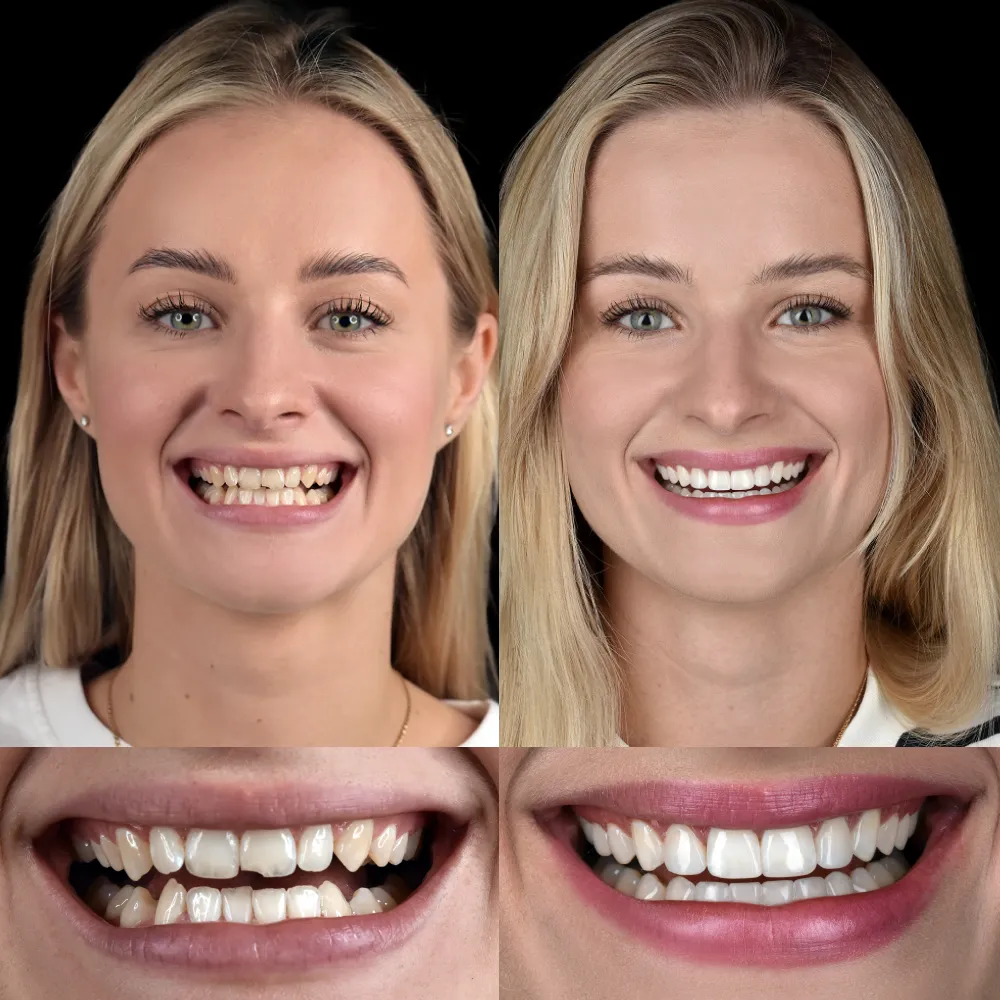
Ortodoncja dorosłych to nie jest tylko prostowanie zębów. To jest przywracanie naturalnej harmonii twarzy, odzyskiwanie funkcji, oddechu i komfortu życia. W Unident Union od ponad 34 lat prowadzę pacjentów tak, aby leczenie nie niszczyło struktury ich zębów, lecz ją chroniło. Dlatego stworzyłam filozofię, która stała się fundamentem naszej ortodoncji: leczenie bez ekstrakcji, bez operacji i bez agresji wobec tkanek. W świecie, w którym wielu dorosłym pacjentom proponuje się cztery wyrwania, szlifowanie pod 28 koron lub zabieg chirurgiczny, my wybieramy drogę najmniej inwazyjną — opartą na biologii, na zrozumieniu proporcji, i na szacunku do natury twarzy. Do Unident Union przyjeżdżają pacjenci z całej Polski właśnie dlatego: bo chcą być leczeni mądrze, przewidywalnie i prawdziwie. Dlaczego leczenie dorosłych nie może wyglądać jak leczenie nastolatków? U dorosłego pacjenta każdy milimetr ma znaczenie. Zęby są często starte, osłabione, przebarwione, przesunięte przez bruksizm lub lata niewłaściwego zgryzu. Kość jest mniej elastyczna, tkanki reagują inaczej. Do tego dochodzą odbudowy, korony, wypełnienia — cała historia, którą niesie uzębienie. Dlatego ortodoncja dorosłych musi być: • subtelna • planowana interdyscyplinarnie • niepozbawiająca zębów ich integralności • dopasowana do przyszłości twarzy pacjenta, nie tylko do łuku zębowego To, co w innych gabinetach uznaje się za „trudne przypadki”, u nas po prostu ma swoją logikę i drogę. Dlaczego nie leczymy ekstrakcyjnie? Ekstrakcje u dorosłych są najczęściej próbą „zrobienia miejsca”, zamiast próbą zrozumienia, dlaczego tego miejsca brakuje. Ekstrakcja to: – cofnięcie profilu – zapadnięcie okolicy warg – efekt „smutnej twarzy” – szybkie starzenie się rysów – ryzyko zaburzeń stawu skroniowo-żuchwowego – utrata wsparcia dla mięśni i języka Nie jest to zgodne ani z moją filozofią, ani z biologią twarzy. Naszą rolą nie jest usuwać zęby. Naszą rolą jest przywrócić proporcje, odbudować to, co zostało utracone, i pozwolić zębom zająć swoje naturalne miejsce. Dlaczego nie operujemy pacjentów borderline? Pacjenci borderline to grupa, której inni lekarze najczęściej proponują zabieg ortognatyczny. U nas — w 90% przypadków — nie ma takiej potrzeby. Dlaczego? Bo dorosły pacjent ma możliwości kompensacji, które są: • łagodne • skuteczne • przewidywalne Współczesna ortodoncja nie musi prowadzić na blok operacyjny. Może prowadzić do naturalnej harmonii bez ryzyka, bez hospitaliza„First Bond, Then Ortho” – metoda, która zmieniła wszystko Nasze podejście wyróżnia jedno zdanie: Najpierw odbudowujemy, potem prostujemy. Jeśli zęby są starte, skrócone, przekoszone — aparat nie przywróci ich pierwotnej długości. Nie stworzy tego, czego fizycznie brak. Dlatego zaczynamy od: 1. odbudowy kompozytowej zębów 2. przywrócenia długości 3. odbudowania funkcji 4. odtworzenia powierzchni żujących 5. wyrównania estetyki uśmiechu Dopiero potem wprowadzamy aparat.cji i bez destrukcji kości. To właśnie ta różnica sprawia, że ludzie przyjeżdżają do nas z drugiego końca Polski. Chcą mieć wybór. Chcą być prowadzeni delikatnie, z szacunkiem. Chcą, aby ich twarz nie była wynikiem operacji, lecz wynikiem mądrego prowadzenia zgryzu. „First Bond, Then Ortho” – metoda, która zmieniła wszystko Nasze podejście wyróżnia jedno zdanie: Najpierw odbudowujemy, potem prostujemy. Jeśli zęby są starte, skrócone, przekoszone — aparat nie przywróci ich pierwotnej długości. Nie stworzy tego, czego fizycznie brak. Dlatego zaczynamy od: 1. odbudowy kompozytowej zębów 2. przywrócenia długości 3. odbudowania funkcji 4. odtworzenia powierzchni żujących 5. wyrównania estetyki uśmiechu Dopiero potem wprowadzamy aparat. Dlaczego leczenie trwa u nas krócej? Kiedy ktoś mówi dorosłemu pacjentowi, że leczenie będzie trwało 4–5 lat, widzę w jego oczach strach. Widzę rezygnację. Widzę, że to nie jest droga, którą powinien iść. U nas leczenie trwa: • 12 miesięcy przy prostych wadach • 18 miesięcy w większości przypadków • 24 miesiące przy bardzo złożonych zgryzach Dlaczego tak krótko? Bo planujemy. Bo odbudowujemy, zanim zaczniemy. Bo korzystamy z biologii zęba, a nie walczymy z nią. Bo nie cofamy łuków ekstrakcjami. Bo stosujemy technologie, które prowadzą zęby w sposób miękki, ale skuteczny. Retencja – etap, o którym inni mówią za mało Zdjęcie aparatu nie kończy procesu. To dopiero początek stabilizacji. Każdy dorosły pacjent ma u nas: • retainer stały na dół • retainer stały lub ruchomy na górę • system kontroli stabilności łuków • instrukcje noszenia gumek retencyjnych • indywidualny harmonogram wizyt kontrolnych Bo piękny uśmiech to nie jest efekt dnia, to jest efekt procesu. Dlaczego do Unident Union przyjeżdża cała Polska? Bo nie jesteśmy „fabryką aparatów”. Jesteśmy miejscem, które od 34 lat prowadzi pacjentów zgodnie z jedną filozofią: chronić, nie niszczyć. Nasza ortodoncja jest: • interdyscyplinarna • dojrzała • subtelna • oparta na wiedzy z całego świata • stworzona specjalnie dla dorosłych • z poszanowaniem struktury twarzy Jeśli pacjent szuka aparatu – znajdzie go wszędzie. Jeśli szuka drogi prowadzenia, trafia do nas. Ortodoncja dorosłych w Unident Union to nie jest kolejna metoda. To jest filozofia pracy z człowiekiem: bez ekstrakcji, bez operacji, bez agresji, bez niszczenia. Z szacunkiem. Z mądrością. Z doświadczeniem, które prowadzi pacjenta naturalnie i bezpiecznie. Każdy uśmiech ma swoją historię.Każdy zgryz — swoją przyczynę.Nie istnieją dwa takie same przypadki, dlatego w Unident Union zawsze zaczynamy od rozmowy, nie od aparatu. „Nie zaczynam od planu leczenia. Zaczynam od zrozumienia, co się wydarzyło.Dopiero potem pokazuję, co możemy odbudować.”— lek. stom. Iwona Gnach Jeśli chcesz sprawdzić, czy Twoje leczenie może przebiegać bez ekstrakcji, bez operacji i bez bólu, zapraszam Cię na konsultację ortodontyczną — online lub w naszej klinice we Wrocławiu. Podczas konsultacji: omawiamy Twój przypadek w pełnym kontekście (funkcjonalnym i estetycznym), wykonujemy analizę zgryzu i struktur twarzy, przygotowujemy plan, który respektuje biologię, nie przemoc wobec tkanek. „Jeśli czujesz, że chcesz być prowadzony spokojnie, bez pośpiechu, z szacunkiem dla Twojej natury — zapraszam.”— lek. stom. Iwona Gnach Umów konsultację w Unident Union Wrocław Online: www.unidentunion.pl/konsultacja-online W klinice: al. Kochanowskiego 20 , Wrocław📞 tel. 71 328 12 12
10 November - information for patients

We would like to kindly inform you that our clinics will be closed on 10 November. We would like to thank you for your understanding and wish you a peaceful, restful weekend. With sincere greetings. The Unident Union & Illustre team.
Not every crown is created the same - meet the Unident Union standard
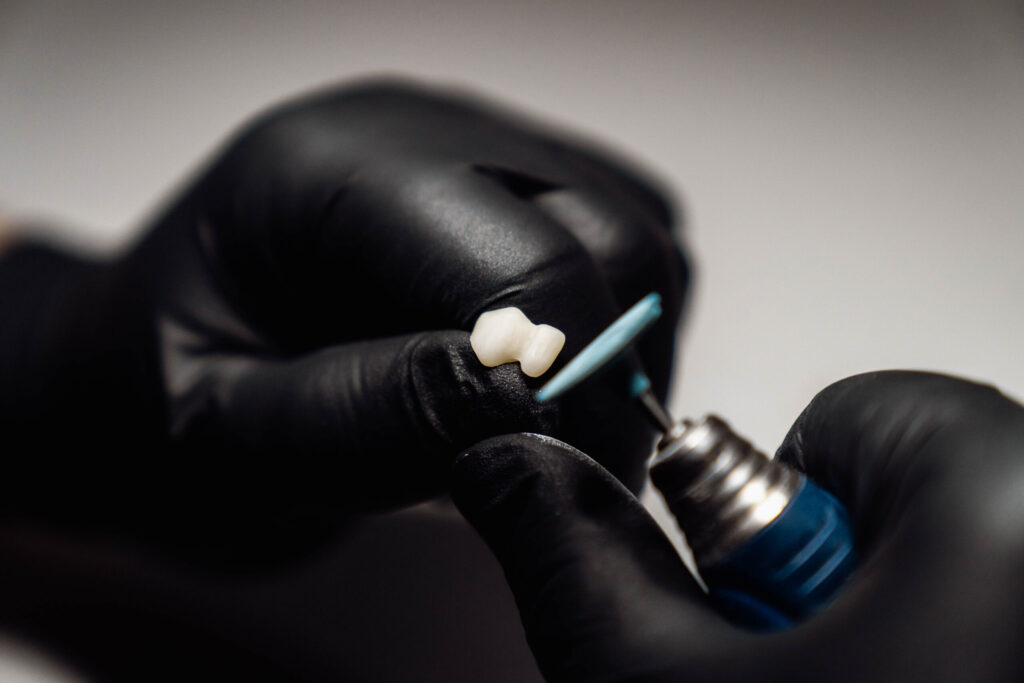
At first glance, all crowns may look similar. But if you ask patients who have had the opportunity to compare different experiences - they will tell you one thing: the details make all the difference. What for some is just an aesthetic addition, at Unident Union becomes a coherent part of the patient's face, bite and character. The secret? An in-house, state-of-the-art prosthodontic laboratory that operates right next to the surgeries. It ensures that crowns are not just an 'order to be made', but the result of close collaboration between doctors, technicians and an aesthetic plan based on the proprietary Dental Face Lifting® (DFL) procedure. What does an in-house prosthetic laboratory change? In typical clinics, the doctor commissions an external lab to make the crown. He sends an impression, waits a few days, receives the finished product. He or she has no influence over every stage of the creation of the work. And the patient - even more so. At Unident Union, it looks completely different. Every crown is created on site, in our digital laboratory, where the technician:- has access to full digital documentation, photos, scans and treatment plan,- collaborates with the doctor in real time,- can immediately consult on aesthetics, colour, structure and fit,- is involved in the analysis of the patient's smile in the context of the whole face. As a result, there are no coincidences. There are individual decisions and informed results. Digital technology, but the human eye At Unident Union, we use CAD/CAM systems, 3D scanners and milling machines that provide micron-level precision. But it is the dental technician who ultimately gives the work character. He or she knows where to add translucency, how to sculpt the fissures so that the tooth looks like yours - not like a copy of a perfect model. It's a combination of technology and craftsmanship that creates a natural effect, consistent with your facial features, smile and lip movement. Why is this so important? Because a crown is not just a tooth. It is part of the facial profile. An element of occlusal function. A foundation of aesthetics. Especially if it is part of a larger treatment plan - as in the case of DFL. In the Dental Face Lifting® method, every change has a purpose:- to improve facial proportions,- to raise the compactness,- to rebuild soft tissue support,- to restore harmony between teeth and facial expression. Crowns must therefore not only be beautiful, but biomechanically well thought out. And this is what our team provides - working together, in one place, with the patient as the focal point. A standard that gives more than looks Unident Union crowns are the result of a philosophy in which we do not compromise.We do not choose the "cheapest laboratory". - we have our own.- We do not rely on ready-made templates - we create individually.- We do not separate the doctor from the technician - we form a team. This ensures that the patient receives not just a crown that looks good, but one that works, supports and completes the overall effect of the smile - not just in the tooth, but in the whole face. Want to see the difference? Make an appointment for a consultation at Unident Union. See what your new crown could look like - designed with precision, made locally and tailored to you. Because not every crown is created the same. And with us - it doesn't come about by accident.
A whiter smile, a better day - how whitening changes more than just your teeth
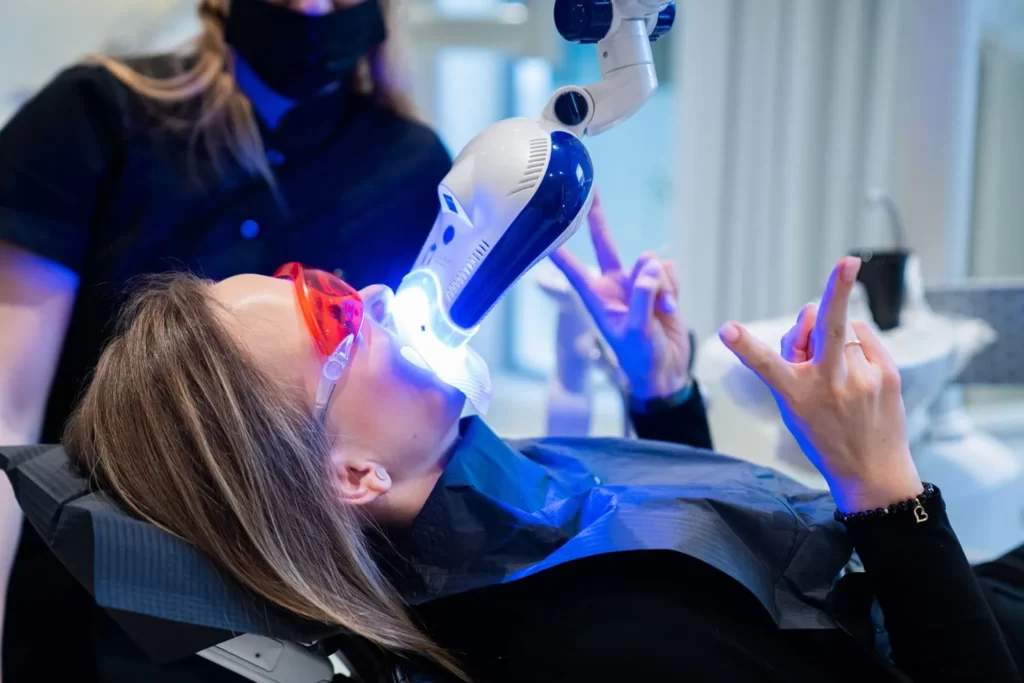
Tooth whiteness is not just a matter of aesthetics - it is a message. Cleanliness, freshness, health, confidence. In a world where first impressions often decide everything, the smile becomes your business card. And it's not about an ideal straight from an advert, but about an authentic, harmonious aesthetic tailored to you. At Unident Union, teeth whitening is not a treatment in isolation. It is part of smile design - a process that takes into account your facial features, skin colour, facial expression, as well as your orthodontic or prosthetic treatment plans. All to ensure that the result is not only spectacular, but also consistent with you. Why is whitening at Unident Union something more? At our clinic, we don't treat whitening as a quick fix. It's part of a greater whole - a smile that we create consciously, based on the principles of facial aesthetics and digital technology. Whitening can be:- the end of orthodontic treatment,- part of the Dental Face Lifting® metamorphosis,- a stand-alone treatment for people who simply want to look and feel better. What whitening methods do we offer? In-office whitening - fast and controlled effectsThis method is for those who expect spectacular results in a short period of time. Under the supervision of a specialist, using modern whitening systems, we achieve the effect of even several tones lighter - after just one visit. Overlay whitening - for fans of precision and flexibilityTo whiten at home, but under full control of a clinic. You receive individually fitted trays and whitening gel. The effect is built up gradually - comfortably, safely and in harmony with your rhythm of life. What about safety? This is one of the most common questions - and rightly so. At Unident Union, each whitening treatment is preceded by a detailed diagnosis. We check the condition of the enamel, gums, dead teeth or teeth with fillings. We select a method that will be effective, but above all safe. In this way, we eliminate the risk of sensitivity or discolouration after time. Whitening as a part of the whole - whitening in the context of DFL In the Dental Face Lifting® method, which was developed by Dr. Iwona Gnach, Stomat. Iwona Gnach, dentist, whitening is often the final stage of a comprehensive metamorphosis. After orthodontic treatment, the whiteness of the teeth gives the entire smile a freshness and lightness. It is like the final touch in a well-designed interior - discreet, but crucial to the effect. What does whitening change? Not just the teeth. It changes the way you smile. And smiling changes everything. You change your profile picture without a filter.You talk more confidently in a meeting.You laugh wider, more often, more naturally. And all of a sudden you find that a small act has made every day a little bit better. Ready for a brighter smile? Make an appointment for a consultation at Unident Union and see what your smile can look like - whiter, fresher, more you.
Porcelain crowns step by step - how to restore a classy tooth
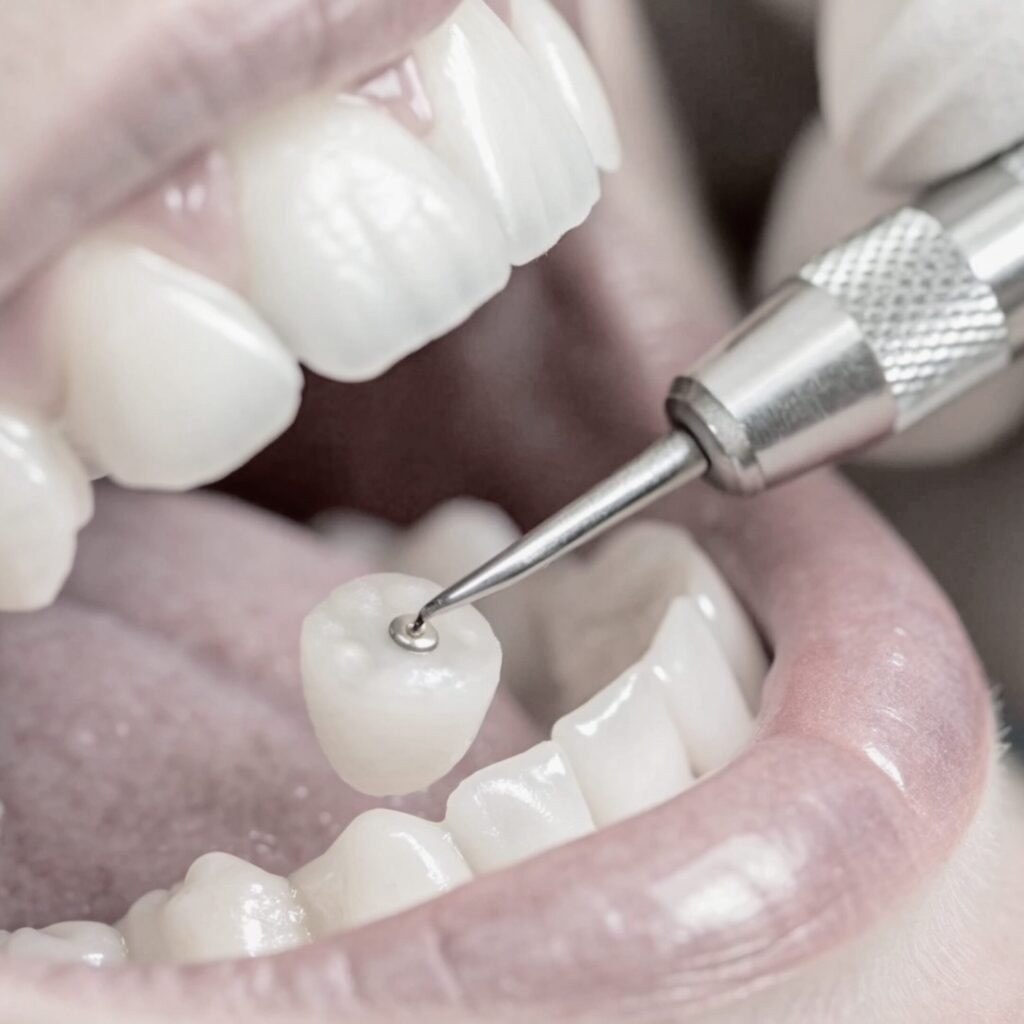
Do you have a tooth that has been through? Are fillings no longer coping? Or do you simply want to regain a beautiful, full smile? You've come to the right place. At Unident Union, we restore your teeth to class - and we do it in a way that is comfortable, modern and tailored to you. The hero of this metamorphosis is the porcelain crown - a small detail that makes a huge difference. What exactly is it? A porcelain crown is a full restoration of a tooth that restores both appearance and function. It replaces the damaged part of the tooth and allows it to regain its natural shape, colour and strength. It is ideal when: It's like a new, aesthetically pleasing and functional version of your tooth - made to measure. What does this look like at Unident Union? You don't need to know all the technical details. What is important to you is that: At your first visit, your dentist will carefully assess the condition of your tooth, suggest the best solution and answer all your questions. Instead of impressions - a digital 3D scan is taken at Unident Union. Zero discomfort, maximum precision. The scan goes to the laboratory, where a technician creates a crown that perfectly matches your smile. While you wait, you receive a temporary crown so that you can speak, eat and... smile freely without embarrassment. When the finished crown comes back - the dentist fits it with surgical precision, and you see the end result: a beautiful, natural tooth that looks like your own (only better). Why porcelain? Because we don't compromise. Porcelain crowns: For the patient? Comfort. Peace of mind. A beautiful smile without stress. And what's next? If you feel that this could be something for you - you don't have to decide right away. All you need to do is come in for a chat. 👉 Make an appointment for a consultation and find out what your new smile could look like.Because at Unident Union, we don't just fix teeth. We restore comfort to your life.
A smile that changes everything - how is a smile designed at Unident Union?
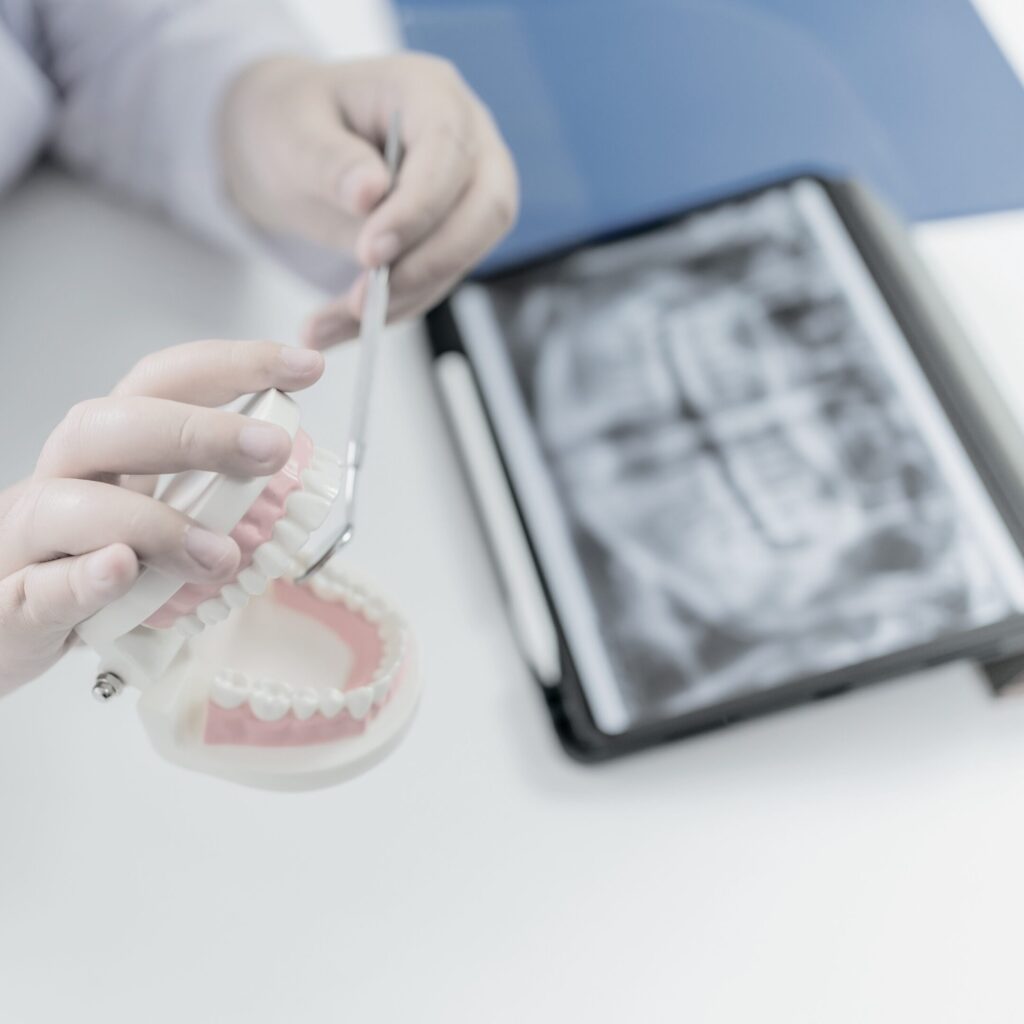
Did you know that your smile has the power to change not only your face, but also the way you feel every day? At Unident Union in Wroclaw, smile design is not just about improving the shape of your teeth. It's a comprehensive process that combines aesthetics, health and... your personality. After all, a beautiful smile is one that fits you - your features, your facial expression, your story. What exactly is smile design? Imagine being able to "design" your smile the way an architect designs a house - with attention to every detail. This is exactly what the Unident Union team does. With state-of-the-art 3D scans, digital planning and expertise in facial aesthetics, they create smiles tailored to you. But it's not just about the teeth. Smile design at this clinic is a face-driven approach - one that takes into account the proportions of the entire face. Because only then does the result look natural and... just right. Dental Face Lifting® - not just a beautiful smile, but a younger face Unident Union has created something unique: the Dental Face Lifting® (DFL) method. It is a completely new approach to facial rejuvenation. No scalpel, no exaggerated effects. DFL works deeply - it rebuilds what disappears over time: the support of the skin, the correct bite, the harmony of the lower face. The jawline changes, the oval improves, the wrinkles around the mouth disappear. It's a facelift... that starts with the teeth. The result? A natural, rejuvenated appearance - without the 'mask'. And what about bonding? Small change, big effect Bonding is a quick and easy way to refresh your smile - no drilling, no pain. Do you have uneven teeth, gaps, worn down edges, coffee or wine stains? Bonding is a treatment that allows you to overbuild and even out your teeth in 1-2 visits using a special composite resin. It is a bit like make-up for the teeth - but much more permanent. What does such a makeover look like? At Unident Union, it often looks like this: 🔹 First, bonding - i.e. aesthetic corrections so that you feel good about your smile right away.🔹 Then, orthodontics - i.e. proper alignment of teeth and bite correction.🔹 Finally, the final DFL plan, i.e. restoring your face to its correct proportions and harmony. All planned down to the millimetre. All so that when you look in the mirror, you simply smile - sincerely and proudly. Why is it worth it? Because smile design is an investment in you. Not only do you look better, but you feel more confident. You smile more often. People react differently to you. You react differently to yourself. It's a change that stays with you for years.
Why is Lumiscan skin diagnostics the standard at Unident Union?

At Unident Union, we believe that effective skin care starts with an accurate diagnosis. That's why at our clinic, every consultation - whether cosmetology or aesthetic medicine - begins with a full skin diagnosis using the Lumiscan device. This is not an add-on.It is our standard of quality and care for you. Why do we perform Lumiscan at every visit? Skin is not static. It changes with the season, hormonal cycle, lifestyle and even stress levels. What worked a month ago may no longer be sufficient today. That's why at Unident Union we rely on technology that reveals the true needs of the skin - including those hidden beneath its surface. Lumiscan enables a multidimensional analysis of the skin, including: It is a safe, fast and completely non-invasive examination. It is performed every time - whether at the initial consultation, at follow-up appointments or during therapy. What does this mean for you as a Unident Union patient? With regular Lumiscan diagnostics, you can rest assured that: At Unident Union, we document diagnostic results and images in the patient's system - so that you can go back to them, analyse them over time and make the best treatment decisions together. LUMISCAN DAY - experience diagnostics on your own skin On 30 August, we invite you to a unique event organised by Unident Union:LUMISCAN DAY - Look beneath the surface of your skin This is a unique, all-day meeting for people who want to take conscious care of their skin and see its true needs with the help of modern technology. For the price of your participation (300 PLN) you get: 🎟 Number of places: only 20📍 Venue: Unident Union, Wrocław📋 Registration via online form At Unident Union we don't operate on guesswork. We act on facts.Look beneath the surface of your skin and make informed decisions - together with us.
Summer Silk - a proprietary Unident Union ritual

Before going on holiday, we want a complexion that looks fresh and does not require filters or retouching. It is with this quick effect in mind that the Summer Silk was created at Unident Union - a proprietary four-step ritual developed by Doct. stom. Iwona Gnach, Doctor of Aesthetic Medicine. Why did we choose silk as an inspiration? Silk is associated with perfect smoothness, a subtle sheen and a pleasant coolness on the skin - exactly the sensations we wanted to provide after the treatment. Summer Silk gives you: a ritual that works in one visit HydraFacial - PRX-T33 - Infusion O₂ - Silk algae mask The whole process takes about 2 ½ h - as long as an extended lunch at your favourite restaurant. Benefits felt immediately The uniqueness of the signature Summer Silk was developed in our clinic, based on the experience and research of Dr. stom. Iwona Gnach. The procedure is not available at other clinics - it is an exclusive Unident Union offering, combining proven technology with a proprietary silk finish. This ensures that what you experience is one-of-a-kind. For whom. An invitation from Unident Union If you're looking for care that will take your skin to a 'silk' level in just a few hours, come to Unident Union. Book an appointment and let us take care of your holiday glow - as soft and luxurious as the fabric that gave this ritual its name. Skin like silk - before you head off on holiday.📞 71 328 12 12
GBT hygienization before surgery - why is it our absolute requirement?
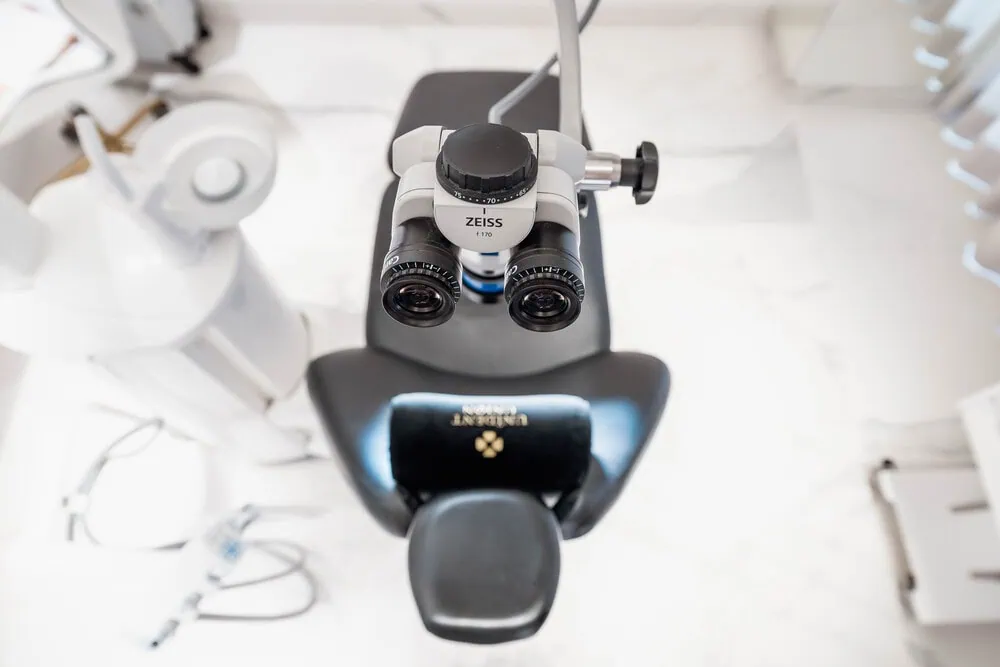
1 We focus on prevention, not chance Every oral surgery procedure carries a risk of infection. We keep them to a minimum, which is why we do not perform surgery without Guided Biofilm Therapy (GBT) hygienization beforehand. This step is just as important to us as precise equipment or the experience of our surgeon. 2 What is GBT hygienization and how does it differ from 'ordinary sandblasting'? Guided Biofilm Therapy is a modern, gentle protocol based on: Effect? Up to 100 % of biofilm leaves the mouth and the gums are calm and insensitive. 3 Why we do not operate without GBT hygienization - 4 hard reasons Reason What do you and we gain? Less bacterial load We remove the biofilm that could cause inflammation after the procedure. Faster and predictable healing Studies¹ show that a clean surface regenerates faster and the risk of a 'dry socket' decreases. More accurate intraoperative diagnosis A stained plaque under a magnifying glass or microscope indicates potentially problematic areas. One-off pharmacotherapy We reduce the doses of antibiotics and painkillers; the patient takes medication for less time. If the patient does not undergo GBT a maximum of 7 days before surgery, we reschedule the surgery. We do not risk your health or the effectiveness of the treatment. 4 What does a step-by-step GBT hygiene appointment look like? The whole procedure takes 45-60 minutes and is painless; anaesthesia is usually not necessary. 5 Preparation schedule Day What happens? -7 days GBT hygienization + home hygiene instruction. 0 day Surgical procedure led by our surgeon. +7-10 days Follow-up visit: removal of sutures, assessment of healing. +3-6 months Subsequent GBT hygiene (or more frequently if prone to deposits). 6 Frequent patient questions (FAQ) Does GBT hurt? No - AIRFLOW® powders and PIEZON® ultrasound have a gentle effect; we can anaesthetise sensitive areas with gel. Can I eat immediately after GBT?Yes, although wait 30 minutes for saliva to neutralise the pH. Does GBT replace traditional sandblasting?Yes - it is a new generation sandblasting that is more thorough and gentle on the gums. What if I have inflamed gums?All the more reason to require GBT; it will reduce swelling and bleeding even before surgery. 7 Prevention is the foundation of our treatment plan Without a clean surgical field, there is no safe surgery. Do you have any questions? Want to book a GBT hygienist and a surgery appointment at the same time? Call 71 328 12 12 or book an appointment online - together we will take care of your healthy smile. Order a GBT hygiene package
Dental hygiene and systemic diseases - why healthy gums protect the whole body?
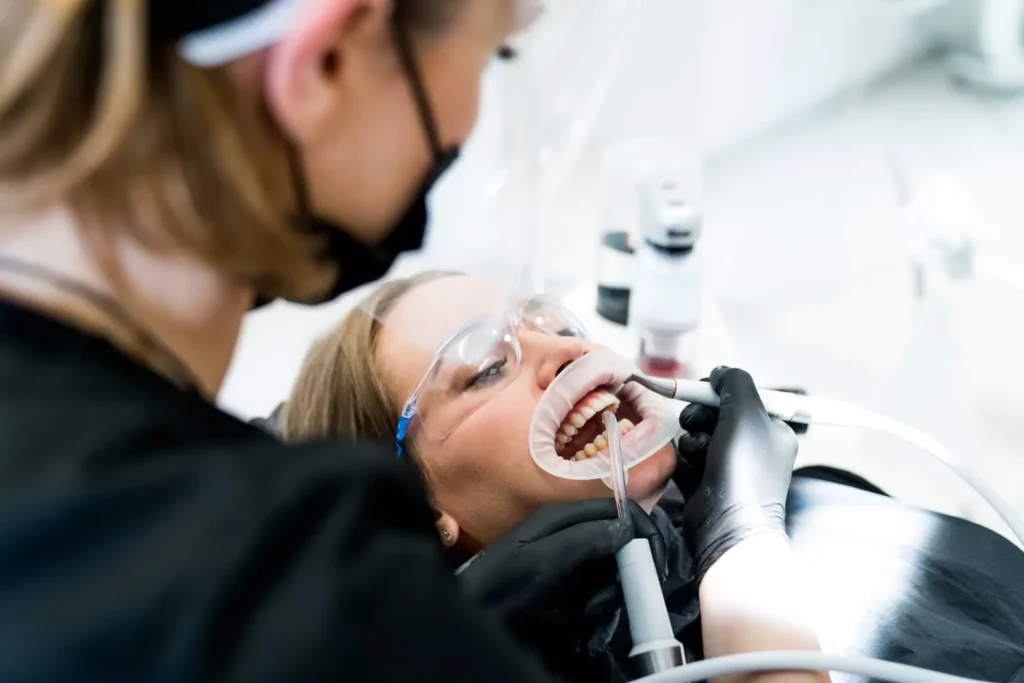
Invisible to the naked eye, the bacterial biofilm that accumulates on teeth is not only the cause of tooth decay or gingivitis. A growing body of research shows that chronic inflammation in the oral cavity can initiate or exacerbate a number of systemic diseases. Below, we explain how a lack of regular hygiene - including professional treatments such as Guided Biofilm Therapy (GBT) - increases the risk of serious conditions, and why preventive dental care should be an integral part of looking after your whole body's health. 1 The 'gateway' mechanism - How do oral bacteria affect the body? In practice, chronic periodontitis - a consequence of unremoved biofilm - forms a 'bridge' between the oral cavity and many diseases to which the whole body is exposed. 2 Diseases most commonly associated with poor oral hygiene Disease area How does lack of hygiene increase the risk? Cardiovascular diseases (atherosclerosis, myocardial infarction, stroke) Endotoxins from periodontal bacteria damage the vascular endothelium, accelerating the formation of atherosclerotic plaques and blood clots. Type 2 diabetes Gingival inflammation raises levels of pro-inflammatory cytokines, which exacerbates insulin resistance; worse glycaemia in turn exacerbates parodontosis - a vicious circle. Lung diseases (COPD, pneumonia) Aspiration of biofilm from the nasopharynx into the lower airways increases pathogen colonisation. Liver diseases Bacteraemia and inflammatory mediators from the periodontium exacerbate liver fibrosis and steatosis. Neurodegenerative diseases (Alzheimer's disease) Bacterial proteins (e.g. Porphyromonas gingivalis gingipains) have been detected in the cerebrospinal fluid of AD patients; microemboli impair cerebral blood flow. Tumours (oral, pancreatic, breast cancer) Chronic inflammation increases oxidative stress and DNA mutations, promoting neoplastic transformation. Rheumatoid arthritis Periodontal bacterial enzymes catalyse protein citrullination, leading to the production of ACPA antibodies and the development of RA. Osteoporosis Impaired calcium absorption due to chronic inflammation can accelerate the loss of bone mass in the jaws and long bones. Preterm birth Bacterial toxins and cytokines can cross the placenta, causing uterine contractions and rupture of the membranes. Infertility and impotence Periodontal inflammation compromises endothelial vascular function, reducing blood flow to the genitals. Depression Chronic pain and inflammation increase cortisol levels, worsening mood and sleep quality. 3 Why is professional hygiene treatment (GBT) key at Unident Union®? 4. the Unident Union® clinic recommends a preventive plan for the whole year 5. how to make an appointment? Invest in your oral hygiene while preventing heart disease, diabetes, Alzheimer's and many other conditions. Regular hygiene is one of the easiest ways to protect the health of your entire body. Read also: What is Guided Biofilm Therapy (GBT)? The technology that is changing the approach to hygiene.
What is Guided Biofilm Therapy (GBT)? A technology that is changing the approach to hygiene
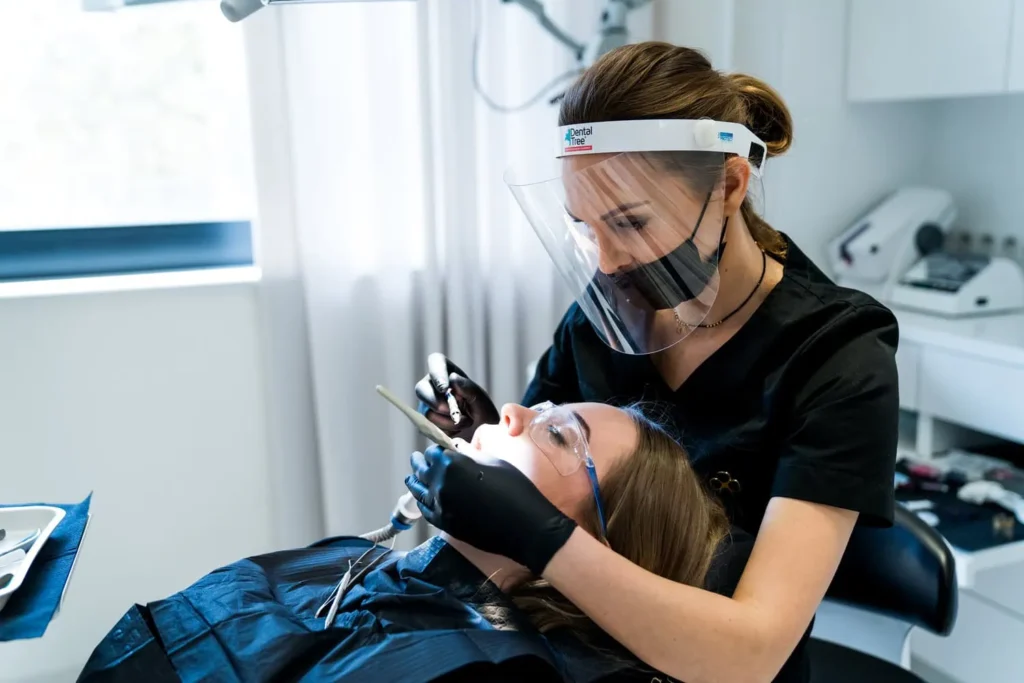
At Unident Union®, we focus on modernity, precision and patient comfort. That is why, as one of the few clinics in Poland, we use Guided Biofilm Therapy (GBT) - a revolutionary method of oral hygiene developed and recommended by the Master Swiss Dental Academy (MSDA). It is not just a treatment - it is a new standard of hygiene, hitherto available mainly in the world's most prestigious clinics. What exactly is GBT? GBT is an innovative prophylactic and therapeutic procedure whose main objective is the complete and safe removal of bacterial biofilm - the layer of bacteria responsible for the development of caries, gingival inflammation and periodontal disease that is invisible to the naked eye. Unlike traditional scaling or sandblasting, GBT works precisely and non-invasively through the use of: This approach allows for maximum effectiveness without disturbing the enamel or irritating the gums. The 8 stages of GBT technology The GBT treatment is not a random "teeth cleaning", but a well-defined protocol consisting of 8 stages: This makes the treatment repeatable, predictable and completely customised to the patient's needs. Technology available only in the best clinics The equipment we use at Unident Union® is the most modern and expensive EMS® brand equipment, ensuring not only efficiency but also complete patient comfort. This is why patients often say, "It wasn't hygiene - it was a spa for the teeth!" Who is GBT for? GBT will work perfectly for: How do I make an appointment for GBT hygienization or purchase an annual package? You can make an appointment for GBT hygienization at Unident Union® at your convenience - online, by phone or in person at the reception of our clinic. We also offer annual preventive packages that include comprehensive hygiene care and regular check-ups. Want to enjoy a healthy smile all year round? Give us a call or write - we will put together a package perfectly tailored to your needs. 📞 Registration: 71 328 12 12📩 E-mail: biuro@unidentunion.pl🌐 Make an appointment online. Read also: Dental hygiene and systemic diseases - why healthy gums protect the whole body?
Lip Flip - Small trick, big effect.
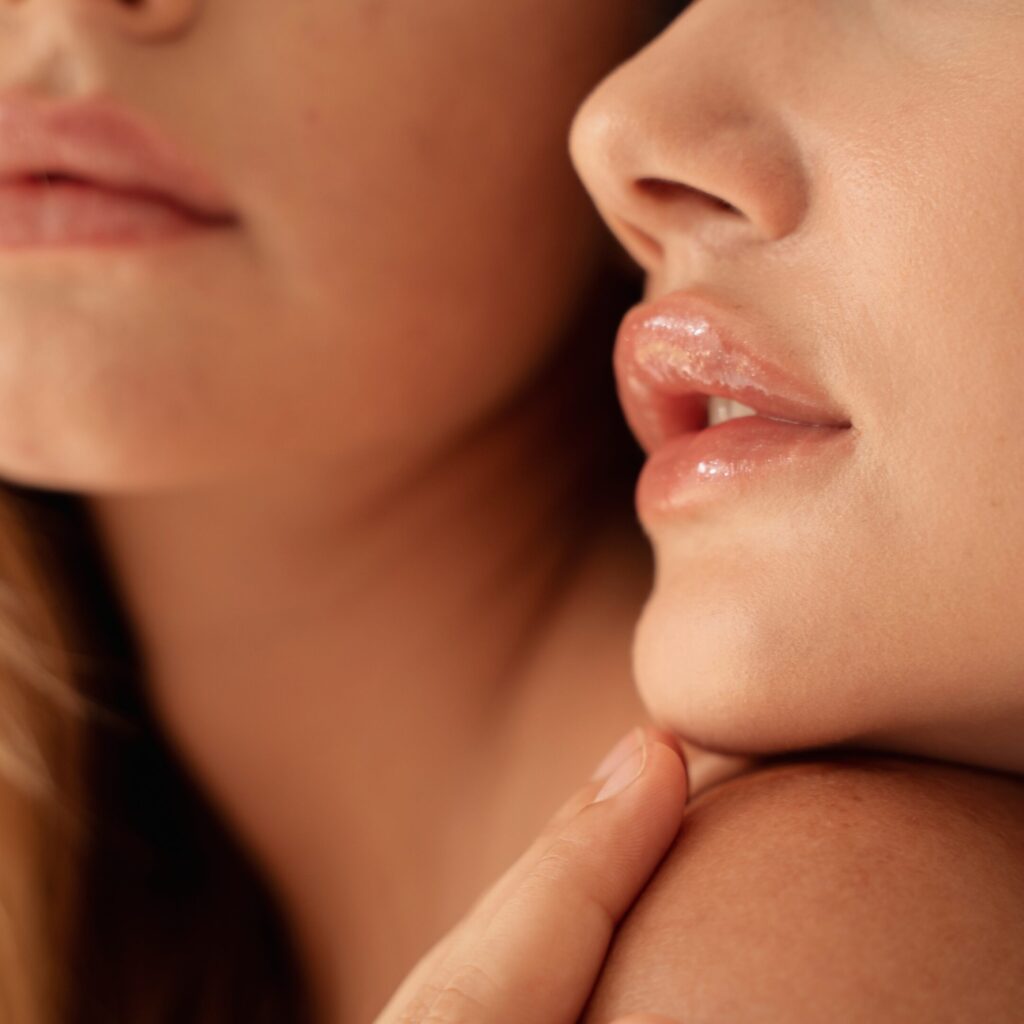
Sometimes it's the small changes that make the biggest impact. You don't need a revolution to feel more feminine, fresher, more sensual. Sometimes all it takes is one look in the mirror, one smile... and something clicks. That's how lip flip works - a subtle aesthetic medicine procedure that is becoming a star at Unident Union surgeries overnight. Why? Because it gives exactly what we want today - a natural effect without exaggeration. Lip flip is a procedure using botulinum toxin - yes, the same botulinum toxin that we use to smooth out wrinkles, for example. But here its role is completely different. Instead of 'freezing', it gently relaxes the circular muscle of the lips.The effect? The upper lip lifts slightly, revealing its beauty. The lips look fuller, although no volume is added. There is no artificiality or 'pumped up' effect - it's more like a good filter that works for a living. This treatment is ideal for people who feel their upper lip 'disappears' when smiling, or who simply dream of a more sensuous but still subtle lip look. What's more - the whole thing takes just a few minutes and requires no recovery. After just a few days, you can enjoy the effect, which lasts for 6 to 8 weeks. Lip flip is a great alternative for those who are afraid of classic lip augmentation with hyaluronic acid, but want to "make a difference". It is ideal for a first step into the world of aesthetic medicine. Such a gesture towards yourself - not pushy, but noticeable. In Unident Union, this subtle but effective procedure is performed by dr stom. Iwona Gnach - a specialist with a sense of aesthetics, experience and artistic precision. It is thanks to her that each pair of lips acquires an individual character, which perfectly harmonises with the entire smile. Beauty does not always have to shout. Sometimes it is enough for it to whisper: "hey, I'm here". And a lip flip is just such a whisper.
Migraines and botox - does it really work? Facts, mechanism and who this treatment is for

If you suffer from frequent, throbbing headaches accompanied by nausea, photophobia and weakness - you may be struggling with chronic migraine. The good news? There is a way to reduce the number of attacks, their severity and their duration - without having to take medication every day.** With help comes botulinum toxin, more widely known as botox. Although it is mainly associated with smoothing wrinkles, it has found a scientifically and clinically proven use in the treatment of migraines. Chronic migraine - what does it mean? Not every migraine qualifies for treatment with botulinum toxin. According to the definition, chronic migraine is: Migraine not only affects quality of life, but also the ability to work, concentrate and function socially. How does botox work for migraine? The mechanism of action of botulinum toxin in migraines is: During the treatment, approximately 30-40 tiny injections are made into precisely defined points - including the forehead, temples, neck, occiput and neck. What are the effects? Effects usually appear 10-14 days after treatment, with full efficacy seen after 2-3 treatment cycles. Most patients are observed: The therapy is recognised as effective by the International Headache Society and is used worldwide as a treatment for chronic migraine. Is it safe to use? Yes. Botox treatment of migraines is approved by the FDA and the EMA (European Medicines Agency). However, it should only be carried out by doctors trained in the PREEMPT (PREvention of Migraine via Botulinum Toxin) technique. Most common (mild) side effects: For whom? The treatment is recommended for people: It is not 'for a simple headache', but a targeted therapy for patients with a specific, chronic migraine pattern. Summary Botox is not just about aesthetics. It has a real, scientifically proven role in the treatment of chronic migraines - improving patients' quality of life, reducing the need for pharmacotherapy and allowing them to regain control of their daily life. If chronic migraine accompanies you on a regular basis - it is worth consulting your doctor to see if you qualify for botulinum toxin treatment.
Bruxism under control - how botulinum toxin and osteopathy help treat teeth grinding
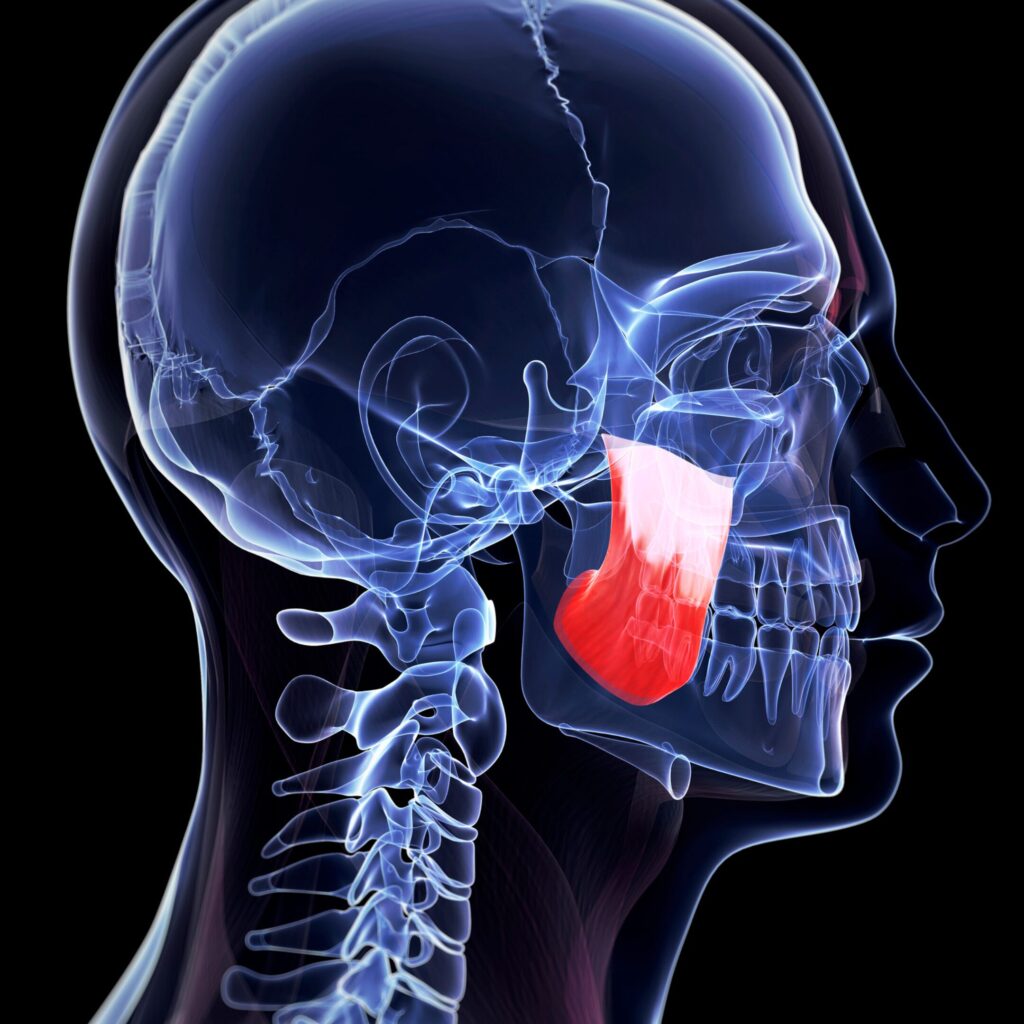
Do you grind your teeth in your sleep? Or do you wake up with a tight jaw and a headache? Bruxism is a problem that affects many people - and it is not just limited to the oral cavity. Modern medicine offers a comprehensive approach to treating bruxism, combining methods from dentistry, aesthetic medicine and osteopathy. In this post, we take a closer look at one of the most effective solutions - botulinum toxin treatment - and show how osteopathic therapy can support it. What is bruxism? Bruxism is the involuntary, excessive clenching of the jaws and grinding of the teeth that most often occurs at night, although it can also accompany stress during the day. Symptoms include: How does botulinum toxin work in the treatment of bruxism? Botulinum toxin type A is administered directly into the masseter muscles - the main culprits of excessive jaw tension. Its action is to reduce the force of their contraction, with the following effects: Osteopathy - natural support for the treatment of bruxism Osteopathy is a manual form of therapy that focuses on restoring balance to the body's structures - from the skull, through the temporomandibular joints, to the cervical spine. People with bruxism often have compensations within: Read also: Osteopathy as a key ally in the treatment of bruxism The combination of botox and osteopathy 🔹 Botox works point-wise - it relaxes tense muscles and reduces symptoms.🔹 Osteopathy works systemically - it gets to the causes of tension and supports the body's self-regulation. By combining both methods: Many patients get the best results precisely when they continue with osteopathic therapy after the Botox treatment. Botox treatment procedure Time: approx. 20 minutes For whom? The procedure and osteopathic therapy are recommended for people: Safety Both methods - botulinum toxin and osteopathy - are considered safe and complementary. However, the key to success is the individual approach and consultation with a specialist. Summary Bruxism is a complex problem that requires a holistic approach.Combining the effects of botulinum toxin with osteopathy can give patients significant relief, reduce tension, reduce pain and improve quality of life - not just at night. If you feel that your body is overloaded by tension in the jaw and neck - it is worth considering a consultation with a doctor and an osteopath. For your complete comfort and comprehensive treatment, we allow you to combine your appointments with an osteopathic consultation with Alicia Sabinska - a certified osteopath working with our team. This is a unique opportunity for an integrated approach in one place. We encourage you to coordinate your visits in advance to fully benefit from the synergy of these therapies. Our team will be happy to help you tailor the best possible schedule.Make an appointment!
Botox not just for wrinkles - find out 5 medical applications of botulinum toxin
For most people, botulinum toxin has a clear association - with smoothing out facial wrinkles. True, treatments using it have become one of the most popular procedures in aesthetic medicine. But Botox has a much broader application - and not just in terms of appearance. In medicine, botulinum toxin has for years played an important therapeutic role in the treatment of many ailments that affect patients' comfort. Learn about the 5 most common uses of Botox outside aesthetic medicine. 1. treatment of hyperhidrosis Excessive sweating of the armpits, palms, feet and even the face can not only be embarrassing, but can even impede daily functioning. When antiperspirants fail, botulinum toxin comes to the rescue. It works by blocking the nerve impulses that stimulate the sweat glands, temporarily stopping sweat production in the area. The effect lasts from six to as long as 12 months. 📌 You can read more about this application in the post: [Botulinum toxin hyperhidrosis treatment - how does it work and for whom?] 2. Bruxism (teeth grinding) Botox is effectively used for people suffering from bruxism, which is the uncontrollable clenching and grinding of teeth - especially at night. This problem leads to headaches, enamel abrasion and facial muscle tension. Injecting a small amount of botulinum toxin into the masseter muscles relaxes their tension, reducing the force of the bite and bringing relief to the patient. 3. chronic migraines In patients suffering from chronic migraines (more than 15 days per month with headache), botulinum toxin can significantly reduce the frequency and severity of attacks. The product is injected into specific points on the forehead, temples, neck and nape of the neck. It works by blocking pain neurotransmitters and relaxing the tense muscles that can trigger a migraine. 4. muscle spasticity (neurology) Botox has also found application in neurology - among other things in the treatment of spasticity, i.e. excessive muscle tension occurring, for example, after strokes, brain injuries or in multiple sclerosis (MS). The administration of botulinum toxin helps to relax excessively tense muscles, improving motor function and reducing pain.5. ocular tics and strabismus (ophthalmology) Botulinum toxin is also used for treatment: By temporarily blocking abnormal muscle activity in the eyeball or eyelids, it is possible to alleviate symptoms and improve the quality of vision and patient comfort. Summary Although Botox has gained fame as a 'wrinkle slayer', its therapeutic potential is much broader. In the hands of experienced practitioners, it becomes an effective tool for treating neurological, ophthalmological, dermatological or dental conditions. If you or a loved one is struggling with any of the problems mentioned - it is worth considering a consultation with a specialist towards botulinum toxin treatment.
Stop the sweat once and for all - how botulinum toxin helps fight hyperhidrosis

Do you feel that sweat is controlling your life? Change clothes several times a day? Avoid bright colours and avoid shaking hands? It doesn't have to look like this. Hyperhidrosis is a problem that affects many people - and although it is sometimes passed over in silence, its impact on daily life is enormous. Fortunately, there is an effective solution: treatment with botulinum toxin. A proven method that is fast and has long-lasting results. What is hyperhidrosis - and when is it worth acting? Sweating is a normal reaction of the body. But if: we are already talking about hyperhidrosis. It can affect your armpits, hands, feet and even your face. If it is interfering with your work, meetings or daily activities - it is worth considering treatment. How does botulinum toxin work? Botulinum toxin type A (known as 'botox') blocks the nerve signals that activate the sweat glands. The effect? The glands "stop receiving the command" to produce sweat. Without interfering with the metabolism, without interfering with the natural thermoregulation of the entire body. The treatment is used, among others, in the area: Course of treatment - what can you expect? The treatment does not require convalescence. After leaving the treatment room, you can return to your daily activities. Is it safe? Yes - provided the treatment is performed by a qualified doctor. Botulinum toxin has been used for years in aesthetic medicine and neurology. Possible side effects (rare): Contraindications: Why is it worth it? ✅ Elimination of the problem for many months✅ Improved wellbeing and psychological comfort✅ No need for strong chemicals✅ Possibility of repeating the treatment without side effects If you feel that sweating is restricting your life - it is worth acting. Bottom line - small treatment, big change Botulinum toxin is a safe and effective treatment for hyperhidrosis. It can help you regain control, feel confident and comfortable - whatever the temperature, stress or situation. 👉 Make an appointment for a consultation and see if this method is for you.
How to whiten teeth without pain and sensitivity? Proprietary whitening method at Unident Union
Until a few years ago, teeth whitening was associated with many concerns - will it hurt? Wouldn't the enamel weaken? Won't the effect disappear after a few weeks? Today, thanks to the development of aesthetic dentistry, the answer to these questions may sound completely different. At Unident Union, we have developed a proprietary whitening method that allows you to achieve a long-lasting effect - no pain, no sensitivity, no compromises. It is a solution for patients who are looking for more than aesthetics. They are looking for comfort, safety and a professional approach. Whitening unlike any other The whitening we offer at Unident Union is based on state-of-the-art technologies and protocols developed by our team based on years of clinical experience. It's not "just another method" available everywhere - it's a proven solution tailored to the patient's needs. Our approach connects: what does the proprietary whitening protocol consist of? Every treatment at Unident Union is a process. Not just a gel application, but a holistically planned procedure, taking into account the patient's needs and condition. Our protocol includes: This ensures that the treatment is not only effective, but also friendly to the teeth - even the most sensitive ones. Who is this method for? Patients are keen to benefit from our treatment: Safety is a priority for us We do not use one-size-fits-all solutions. Each treatment is selected individually and the entire process is carried out according to the medical protocol developed at Unident Union. We use modern technologies that not only do not disturb the tooth structure - but actively support it. The result? A healthy, white smile - without compromise The treatment takes about 60 minutes. The effects are visible immediately. But what is most important for many patients - no pain, no hypersensitivity, no fear of side effects. This is what modern teeth whitening should look like - effective, but with respect for health. Promotion: Dazzling smile now even closer NEW! Only now we offer our proprietary whitening treatment at a promotional price: £1,600 instead of £2,100 If you dream of a brighter smile - without pain, without risk and without compromise - this is the perfect time. 📞 Call and make an appointment: 71 328 12 12The offer is valid for a limited time - the number of places in the promotion is limited.
Lift&Glow - A lift you can't see... but everyone will notice the effect

Fotona thermoliftingPromo price: 490 zł Why is it worth it? This is a new generation lifting - no scalpel, no pain and no convalescence period. The Fotona laser works deeply, stimulating collagen production. The skin becomes tighter, smoother, with a lifted oval - naturally, but noticeably. Why now? Thermolifting produces the best results when you start it in advance - get your skin ready for summer now. The treatment can even be done on your lunch break - no redness and no hiding at home. Indications: - loss of firmness and facial oval- wrinkles, skin flabbiness- anti-ageing prevention Contraindications: - tanning, active skin lesions- pregnancy, epilepsy, cancer How to prepare? - do not sunbathe for a week before the treatment- avoid chemical peelings before the appointment What to do after the treatment? - avoid hot baths and saunas for 48 hrs- use gentle skin care and sunscreen Only until the end of May! Not sure which treatment will be best for you?Sign up for a consultation appointment - our specialist will assess your skin's needs and help you choose the best solution.You can book a treatment right away or make a decision after a conversation. Promotional prices are valid until 31.05.2025Number of places is limited - first come, first served option to pay with BLIK when you call - to guarantee your place in the promotion.
Glow Boost - A "wow" effect for your skin after just one visit
Hydrafacial + mesotherapy NCTFC Promotional price: 650 zł Why is it worth it? Glow Boost is a duo which guarantees the WOW effect. First, cleansing and refreshing with Hydrafacial, then a nourishing bomb of active ingredients with NCTF. The skin becomes silky smooth, tight and full of radiance - after just one treatment. Why now? Celebrations, trips, photo shoots are coming up... This treatment is perfect before a big outing or as an express refreshment during a busy week. Indications: - tired, dull skin- polluted pores- uneven skin tone- first signs of ageing Contraindications: - active skin infections- pregnancy and lactation- allergy to ingredients How to prepare? - stop using retinol and acids 5 days before - keep hydrated What to do after the treatment? - avoid make-up for 24 h- protect your skin from the sun- use gentle skincare Only until the end of May! Not sure which treatment would be best for you? Sign up for a consultation appointment - our specialist will assess your skin's needs and help you choose the best solution.You can book a treatment right away or make a decision after a conversation. Promotional prices are valid until 31.05.2025Number of places is limited - first come, first served option to pay with BLIK when you call - to guarantee your place in the promotion.
Hydrabooster - your skin deserves luxurious nourishment

Stylage Hydro + NCTF mesotherapy (4 ml)Promotional price: £790 Why is it worth it? Because this is no ordinary mesotherapy. It is an intensive programme of reconstruction and hydration for skin that needs a fresh start. The combination of Stylage Hydro and NCTF is a true elixir of youth - the skin becomes tighter, brighter and regains a healthy glow. Why now? In spring, skin is dry after winter, grey and dehydrated. Hydrabooster restores its vitality and smoothness, making it look perfect without make-up - perfect for the start of the summer season. Indications: - dryness, dehydration- loss of firmness- dull, tired appearance- anti-ageing prevention Contraindications: - active skin inflammations, herpes- pregnancy, breastfeeding- autoimmune diseases- allergy to the ingredients of the preparations How to prepare? - it is advisable to start supplementation with vitamin C and collagen 7 days before - avoid alcohol and blood-thinning medication before the appointment What to do after the treatment? - avoid make-up and exercise for 24-48 h- use SPF 50 and regenerating creams Only until the end of May! Not sure which treatment will be best for you?Sign up for a consultation appointment - our specialist will assess your skin's needs and help you choose the best solution.You can book a treatment right away or make a decision after a conversation. Promotional prices are valid until 31.05.2025Number of places is limited - first come, first served option to pay with BLIK when you call - to guarantee your place in the promotion.
No fear, no pain, no stress - dental surgery under anaesthetic in the heart of Wrocław.

Does the thought of a surgical procedure at the dentist cause you stress? Or are you afraid of pain or long procedures? We have the perfect solution for you! At the Unident Union clinic in Wrocław, we offer dental surgery under anaesthesia, fully assisted by an experienced anaesthetist. This allows you to feel safe and comfortable - from the first minute until you are fully awake. Why choose dental surgery under anaesthetic? Dental surgery under anaesthesia is a great option for people who: Everything is done in complete comfort - you are asleep and the team of specialists ensures that the treatment is effective and safe. Dentophobia - more than a simple fear Dentophobia, or the panicky fear of dental treatment, affects millions of people worldwide. It often stems from negative past experiences, pain during previous treatments or fear of losing control. Symptoms of dentophobia include: At Unident Union, we understand these emotions very well. That's why we offer full anaesthetic treatment - so that you can overcome your fear and take care of your oral health without stress or pain. With us, dentophobia will not stop you from having a beautiful smile! How do we take care of your safety? At Unident Union, we put your safety first! Before each procedure, there is a detailed anaesthesiological consultation during which we analyse your health condition. During the procedure: This ensures that you are in good hands. What does the whole process look like? Why Unident Union in Wrocław? If you dream of painless dental treatment and a peaceful recovery - we are here for you. Don't hesitate! Make an appointment for a consultation and find out how easy dental treatment under anaesthetic can be.
Osteopathy as a key ally in the treatment of bruxism
Bruxism is one of the most underestimated and yet most bothersome dysfunctions of modern man. Teeth grinding and involuntary jaw clenching - often at night, but also during the day - can cause headaches, neck pain, jaw pain and even spinal pain. At Unident Union, we understand that effective treatment of bruxism is not only about relaxation splints, but also about interdisciplinary cooperation - especially with an osteopath. Bruxism - symptoms that are difficult to relate Many people do not realise that chronic tension in the jaw and head can affect: Bruxism is not just a result of stress - it is also a biomechanical problem, linked to dysfunctions of the entire musculoskeletal system. How does osteopathy help? Osteopathy is a manual form of therapy that diagnoses and releases tensions in the body, restoring balance. In the context of bruxism, the osteopath works with, among other things: This allows the body to better manage tension and bruxism symptoms can be significantly reduced. Integrated care at Unident Union At our clinic, we offer the possibility of combining orthodontic therapy or splint treatment with regular osteopathic consultations. We work with Alicja Sabinska, an experienced osteopath who specialises, among other things, in the treatment of temporomandibular joint disorders and craniosacral tension. We encourage you to coordinate your orthodontic and osteopathic appointments to achieve the full therapeutic effect - without overloading your body and with lasting results in mind. Book an appointment! What do you gain? Don't fight bruxism alone. Opt for holistic therapy and experience relief. Make an appointment for a consultation at Unident Union and see how osteopathy can transform your daily functioning. Read also: DFL + Osteopathy = Integrated therapy for your face
DFL + Osteopathy = Integrated therapy for your face
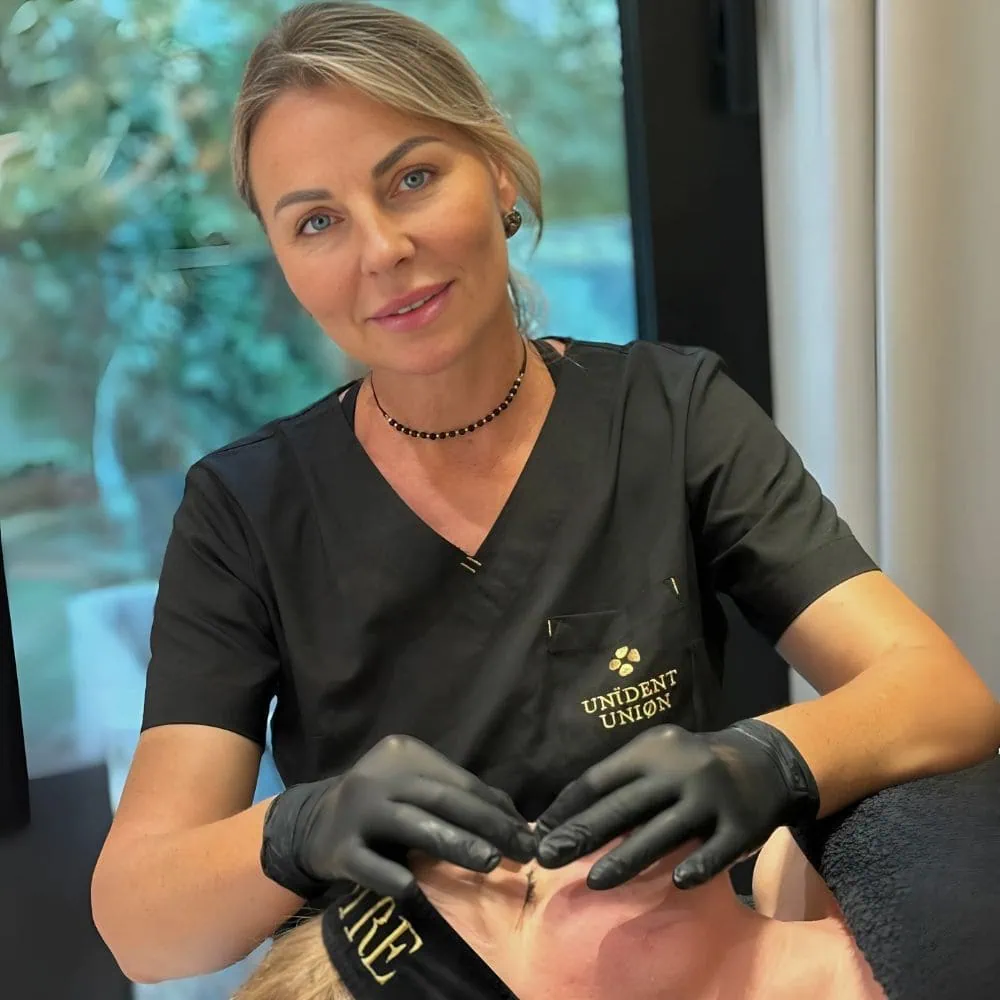
In the world of modern orthodontics, effective treatment is not just a matter of precisely fitting braces. It's also about a deep understanding of the mechanics of the body and how different anatomical structures affect each other. At Unident Union, we understand this very well, which is why we incorporate osteopathy into DFL therapy - a key pillar in achieving lasting and harmonious results. DFL - what is it? DFL therapy focuses on restoring musculoskeletal balance in the face, neck and skull. The goal is not only a beautiful smile, but also optimal function of the temporomandibular joints, muscles of mastication and fascial tensions, which affect the entire figure and well-being. The role of osteopathy in DFL Osteopathy brings to DFL therapy an element of manual diagnosis and treatment of tensions in the body that can interfere with orthodontic outcomes. Gentle manual techniques allow the body to release tensions that may originate far from the oral cavity itself - such as in the pelvis, diaphragm or spine. It is this holistic perspective that makes osteopathy so effective in integrating orthodontic therapies. Patient benefits Combining osteopathy with DFL therapy includes: Working with an osteopath, Alicia Sabinska With the aim of making your treatment completely comfortable and comprehensive, we allow you to combine your orthodontic appointments with an osteopathic consultation with Alicia Sabinska, a certified osteopath who works with our team. This is a unique opportunity for an integrated approach in one place. We encourage you to coordinate your appointments in advance to fully benefit from the synergy of these therapies. Our team will be happy to help you tailor the best possible schedule.Make an appointment! Who is this therapy for? We particularly recommend the integrated approach for individuals: At Unident Union, we look wider to act more effectively. If you want your orthodontic treatment to deliver more than aesthetic changes - make an appointment for a consultation and experience the power of integrating DFL with osteopathy. Read also:Osteopathy as a key ally in the treatment of bruxism.
Oral hygiene during orthodontic treatment | Unident Union Wrocław
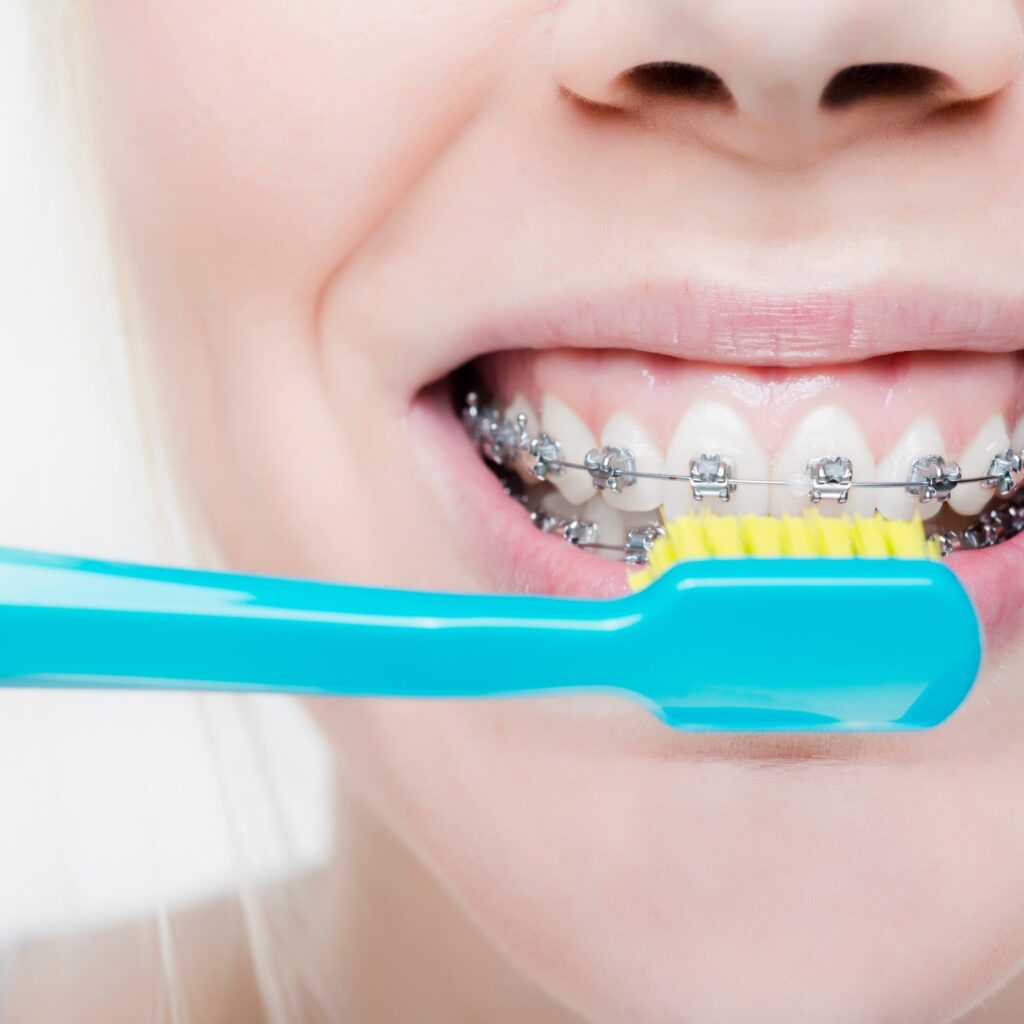
Effective prophylaxis during treatment with fixed and removable braces Orthodontic treatment is not only a process of restoring correct bite conditions and smile aesthetics, but also a time when the patient has to work intensively on maintaining oral hygiene. The presence of orthodontic appliances significantly hinders the mechanical cleaning of teeth and promotes the build-up of bacterial plaque, which, as a consequence, may lead to complications - both local and general. At Unident Union, hygiene education is an integral part of orthodontic therapy. An informed patient means more effective treatment, less risk of complications and a better end result - not just straight teeth, but a healthy smile. Why is hygiene during orthodontic treatment crucial? Orthodontic appliances - both fixed and removable - provide a retention environment for bacterial plaque and food debris. Even with careful mechanical hygiene, the areas around brackets, arches and ligatures can be difficult to clean. Negligent hygiene results: A clean oral environment is a prerequisite for the longevity of treatment results and periodontal health. Basic principles of orthodontic hygiene 1. Brushing after each meal The orthodontic patient should brush at least 3 times a day, preferably after each large meal. Brushes with a small head, soft bristles and tips dedicated to orthodontic appliances (manual or electric) are recommended. 2. the use of supportive accessories: 3. Flossing and cleaning of interdental spaces Orthodontic floss with a hardened tip (Superfloss type) or silicone interdental flossers are recommended to allow safe manoeuvring around the orthodontic arch. 4 Rinse preparations - fluoride-free, with hydroxyapatite At Unident Union, we abandon classic fluoride rinses in favour of preparations containing hydroxyapatite, which: Regular use of toothpastes and rinses with hydroxyapatite helps to reduce the risk of white spots around the brackets and promotes the natural restoration of enamel in conditions of increased caries risk. 5 Oil rinsing (oil pulling) - natural hygiene support Rinsing the mouth with coconut or sesame oil is a method derived from ayurveda that has also been recognised in preventive dentistry. Benefits of oil rinsing in orthodontics: Oil pulling should be performed in the morning, before brushing the teeth. It is recommended to use one tablespoon of oil and rinse for about 10-15 minutes. Afterwards, rinse the mouth thoroughly with water and proceed with daily tooth brushing. Professional hygiene - every 3-4 months A patient undergoing orthodontic treatment should benefit from hygiene treatments more frequently than standard - optimally every 3 months. The treatment includes: Regular check-ups and professional prophylaxis reduce the risk of complications and allow timely response to irregularities. Summary Maintaining good oral hygiene during orthodontic treatment is crucial both for the health of the teeth and gums and for the final aesthetic result. Systematic brushing, the use of auxiliary tools, appropriate rinses (fluoride-free, with hydroxyapatite), and oil rinses constitute a comprehensive model for daily prevention. At Unident Union, we don't just treat - we educate and support patients in the conscious management of orthodontic therapy. Because the effectiveness of treatment is the sum of a professional plan and daily hygiene, which starts at home. Worth reading:
Placing porcelain veneers - step by step treatment stages | Unident Union Wrocław
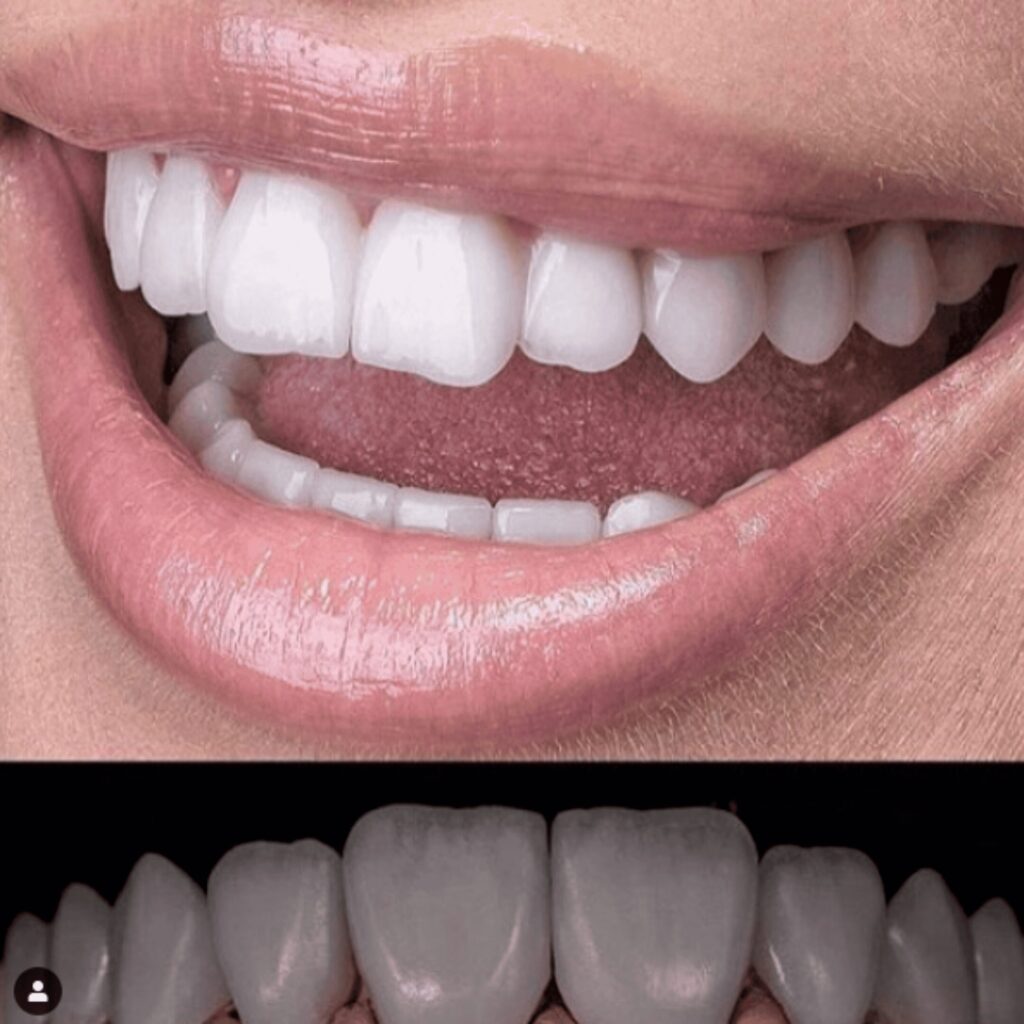
The treatment process with porcelain veneers is a precise procedure that combines aesthetic analysis, prosthetic planning and the fabrication of customised ceramic restorations. Although the final result may appear simple and natural, it requires advanced diagnostics, a collaborative team of specialists and digital technology. At Unident Union, we treat each case individually - not as a finished aesthetic template, but as a medical-artistic project, tailored to the patient's anatomy, facial expression and expectations. Stage 1: Diagnosis and aesthetic consultation The first step is a thorough analysis of the condition of the teeth and a conversation with the patient regarding their expectations for the aesthetics of their smile. At this stage, the following is performed: On this basis, the team of doctors plans the scope of treatment - the number of veneers, their distribution, possible supporting treatments (e.g. conservative treatment, hygienization, gum correction). Step 2: Smile Design - Digital Smile Design The use of the Digital Smile Design (DSD) system allows a personalised design of the new smile to be created with consideration: A digital model of the so-called wax-up is created, which is then transferred to the patient's mouth in the form of a mock-up - a physical fitting (of temporary material). The patient can check the appearance, length and shape of the teeth before the preparation starts. Step 3: Mock-up - fitting of the new smile Mock-up is performed without interfering with the patient's teeth. Allows for: This is one of the key stages of treatment, which significantly minimises the risk of dissatisfaction with the final result. Stage 4: Tooth preparation (or lack thereof) Depending on the type of veneers, the clinical situation and the position of the teeth in the arch, the dentist may decide to: The preparation is performed under magnification (magnifying glasses, microscope), with depth control and preservation of the enamel structure. Step 5: Intraoral scan and temporary veneers Once the teeth are prepared, a digital intraoral scan is performed - eliminating the need for silicone impressions. Temporary veneers are then placed, the shape and colour of which replicate the previously accepted mock-up. This is a key stage that ensures the patient's aesthetic and functional comfort until the final work is received. Stage 6: Fabrication of porcelain veneers The finished veneers are made in the prosthetic laboratories with which the clinic cooperates. At Unident Union, we use laboratories in: prosthetic work is individually tailored to the previously approved mock-up design. Step 7: Cementation of the veneers After fitting and acceptance by the patient, the veneers are cemented adhesively. New generation bonding systems are used here, ensuring a durable bond, a tight seal and a full fit to the tooth. Finally, the occlusion and aesthetics of the entire smile are controlled. Summary The treatment process with porcelain veneers is a precisely planned medical procedure that requires the involvement of doctor, technician and patient. Each step - from diagnosis to cementation - has an impact on the final aesthetic, functional and long-term durability. At Unident Union, we follow a complete treatment protocol based on international standards and the experience of the team. As a result, the patient receives not only an aesthetic smile, but a stable, predictable prosthetic solution for years to come. Worth reading:
Porcelain or composite veneers - which to choose? Comparison of aesthetic solutions
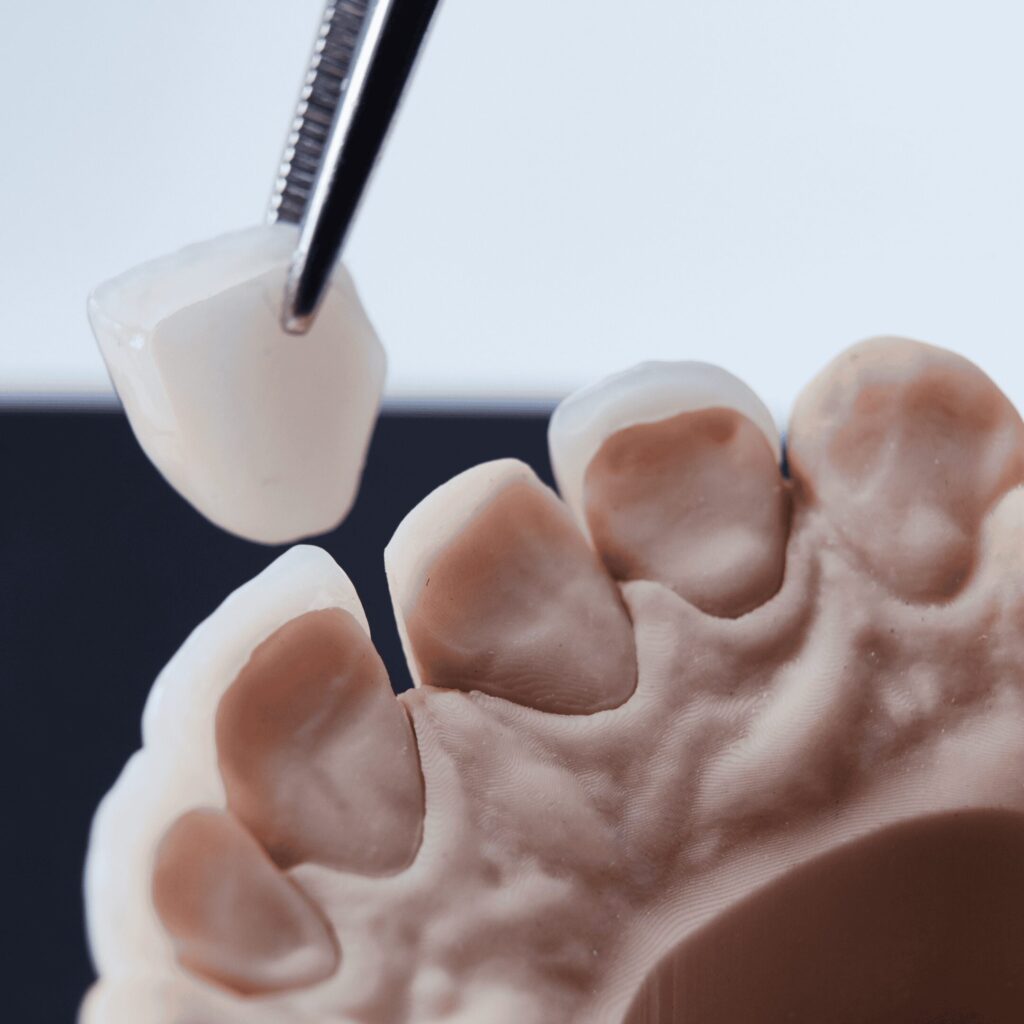
Introduction Veneers are one of the most frequently chosen solutions in cosmetic dentistry. They make it possible to improve the shape, colour and proportion of teeth without extensive prosthetic interventions. The choice between porcelain and composite veneers should be an informed one based on an analysis of not only the aesthetic effect, but also durability, biocompatibility and comfort. At Unident Union, we help patients make a decision based on their individual aesthetic, functional and budgetary needs and expectations. Porcelain veneers - characteristics Porcelain veneers are made from high-grade dental ceramics and designed individually for each patient. Their greatest advantage is the perfect reproduction of the optical properties of natural enamel, which translates into exceptional aesthetics. Features: Porcelain veneers are most often chosen by patients expecting superior aesthetics and predictable results for years to come. Composite veneers - characteristics Composite veneers are made from a material that is also used in aesthetic fillings. They can be made directly in the mouth or indirectly in the laboratory. Features: This solution may be suitable for patients expecting a quick aesthetic improvement, e.g. before an important event, but without the need for a long-term result. Comparison of veneers - table of differences Criterion Porcelain Composite Durability 10-20 years 2-5 years Aesthetics Very high Moderate Resistance to staining Very high Limited Mechanical strength High Moderate Abrasion Minimal Higher Cost Higher Lower Time of fabrication 2-3 visits 1-2 visits Possibility of correction after time Limited Easy correction Purpose Long term Short term or temporary When to choose porcelain veneers? When to choose composite veneers? At Unident Union - the decision is preceded by an analysis At our clinic, the choice of the type of veneers is not random. Each treatment is preceded by a detailed aesthetic and functional analysis, as well as a discussion of the patient's expectations. Thanks to the fitting (mock-up/wax-up), digital scans and work with renowned laboratories, the patient can see the real effect even before treatment begins. Worth reading
A new smile without compromise | Porcelain veneers Wrocław
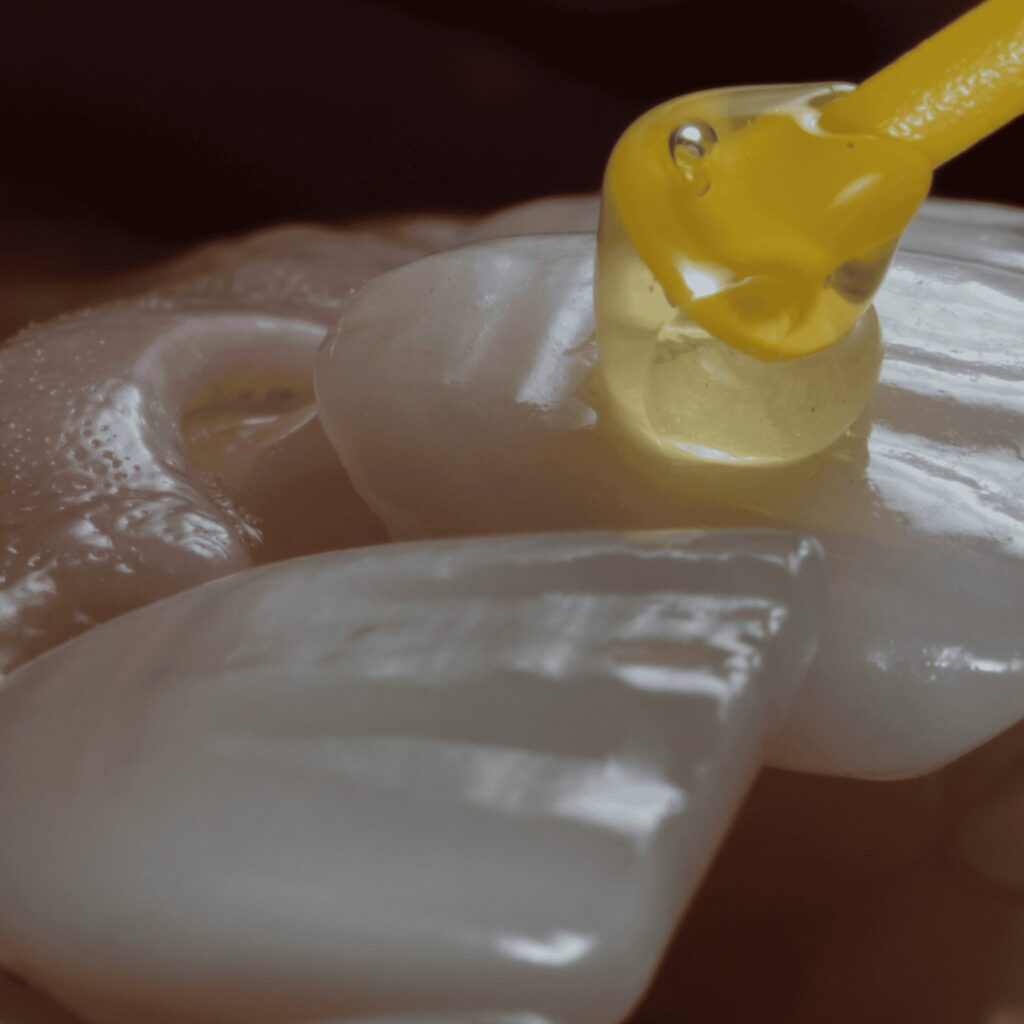
Advanced cosmetic dentistry solutions at Unident Union Porcelain veneers are one of the most effective tools of modern cosmetic dentistry. They allow a comprehensive improvement of the shape, colour and proportion of teeth, without the need for extensive prosthetic methods. At the Unident Union clinic in Wrocław, veneers are made in accordance with international standards - with maximum precision, biocompatibility and predictability of the effect. Porcelain veneers - characteristics of the solution A veneer is a thin ceramic plate, individually designed for each patient, which is permanently cemented to the facing (labial) surface of the tooth. It is most commonly used in the anterior segment - in terms of aesthetics. The main indications for porcelain veneers are: Dental porcelain used at Unident Union is characterised by high resistance to staining, mechanical durability and optical properties similar to natural enamel. Porcelain veneers versus composite veneers - what are the differences? Although the two types of veneers perform a similar function, they differ in material, durability and visual effect. Feature Porcelain veneers Composite veneers Durability 10-20 years 2-5 years Resistance to staining very high average Aesthetics natural gloss and colour natural effect Durability high moderate Cost higher lower In the context of treating patients expecting high aesthetics and long-term predictability, porcelain veneers are the recommended choice. Course of treatment - step by step Clinical process - how does the treatment proceed? The veneer placement procedure at Unident Union follows the following protocol: The patient has a real say in the design of the smile. A trial fitting stage allows the length, width and shape of the veneers to be fine-tuned before the final prosthetic work is carried out. Premium prosthetic laboratories Unident Union collaborates with international prosthetic laboratories in: This allows each veneer design to be individualised and tailored to the patient's anatomical, ethnic and aesthetic characteristics. Safety and durability Porcelain veneers Wrocław - an informed decision The use of porcelain veneers should be preceded by a sound aesthetic analysis and treatment plan. At Unident Union, treatment is not about a quick aesthetic result - it is a precise procedure aimed at preserving the function, health and harmony of the smile. Contact us to arrange a consultation. We are available for patients from all over Poland and abroad. Worth reading See also related articles:
Fixed Self-Ligaturing Braces - How Do They Work and What Are Their Effects? Unident Union Wrocław
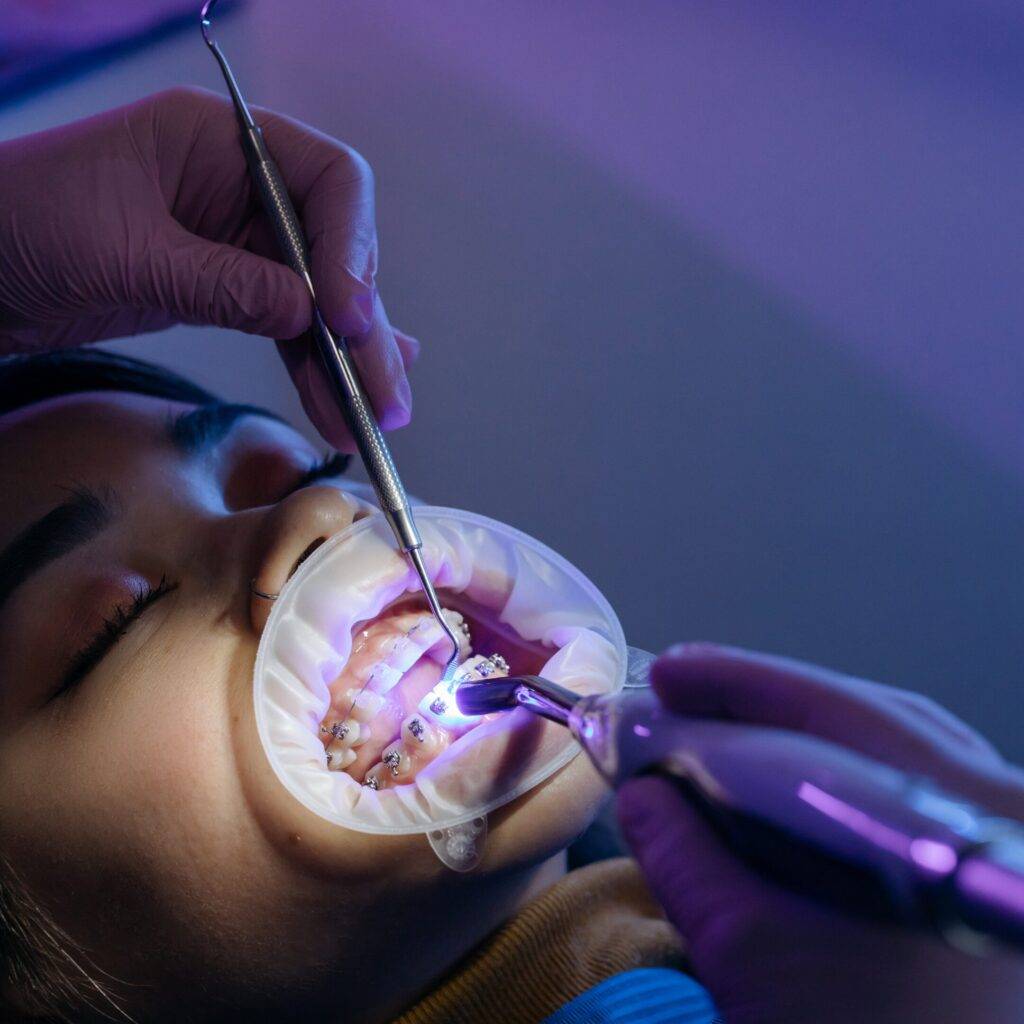
Braces have been helping to correct malocclusion and improve the aesthetics of the smile for years. One of the modern solutions that is gaining in popularity is fixed self-ligating braces. Thanks to its special design, it differs from traditional braces, offering patients greater comfort and shorter treatment times. How does this type of appliance work? How does it differ from classic solutions? What effects can be achieved? We answer these questions in the article. How do fixed self-ligating braces work? Traditional braces use ligatures (rubber bands or wires) to hold the orthodontic arch in the brackets. Self-ligating fixed braces eliminate the need for ligatures as they have brackets with a built-in snap mechanism. How are selfligating braces different from traditional braces? However, this does not mean that selfligating braces are ideal for everyone. The orthodontist selects the treatment method individually, depending on the type and degree of malocclusion. What are the effects of selfligating braces? The effects are visible after just a few months of wearing, but the final treatment time depends on the individual patient's case. Frequently asked questions by patients Yes! Thanks to reduced friction, teeth move more smoothly, which means less pain than in traditional braces. Yes! Thanks to reduced friction, teeth move more smoothly, which means less pain than in traditional braces. The cost is slightly higher, but the shorter treatment time and fewer follow-up appointments can compensate for this. Don't. Very hard and sticky foods should be avoided, which can damage the brackets. Follow-up visits take place every 6-8 weeks, which is less often than with classic braces. Summary Fixed self-ligating braces are a modern solution that allows for faster, more effective and more comfortable orthodontic treatment. Thanks to innovative brackets, it eliminates the need for ligatures, reduces patient discomfort and facilitates oral hygiene. What is worth knowing? If you are interested in treatment with fixed self-ligating braces, check also:
Orthodontic Extractions in Treatment - A Compendium of Knowledge | Unident Union Wrocław
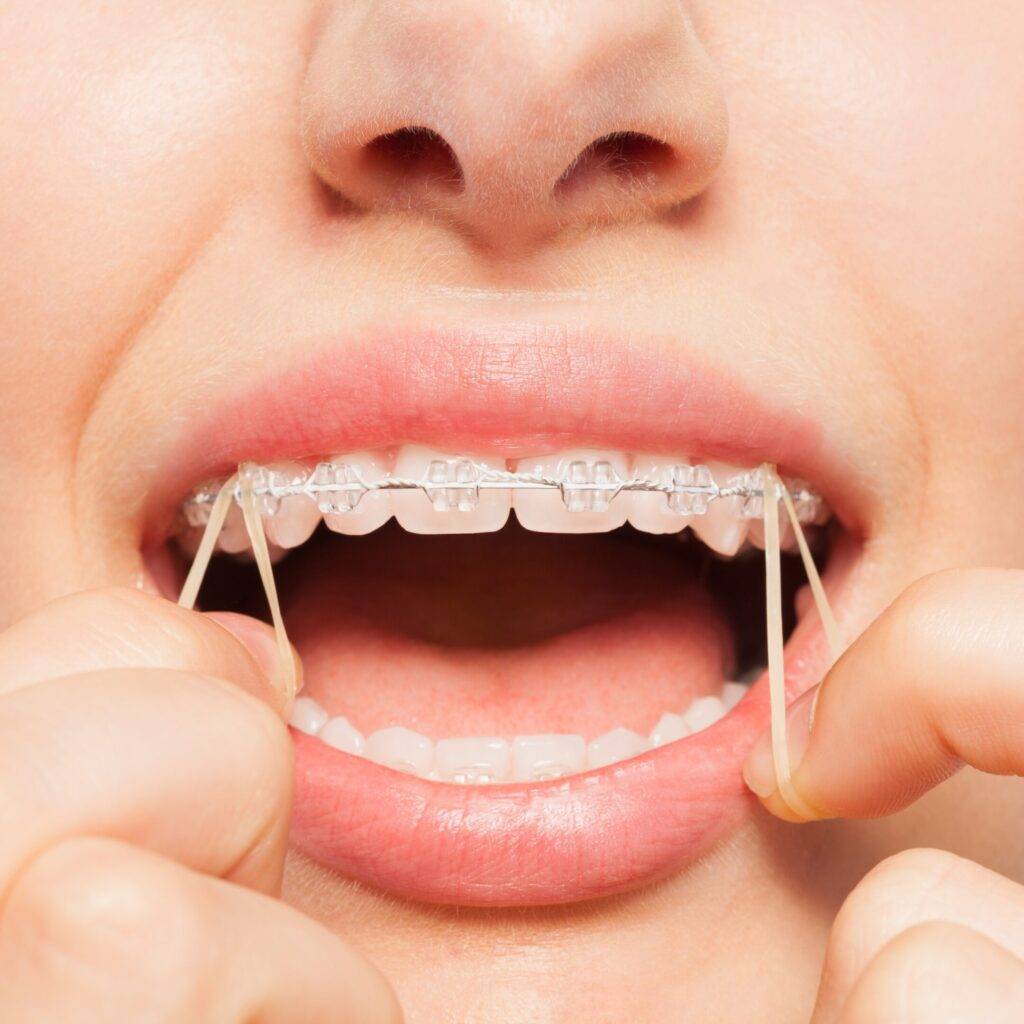
Orthodontic treatment involves not only braces, but also additional accessories to assist in the bite correction process. One of the most important items used in orthodontics are orthodontic extractors - elastic bands or special metal pieces that support the correct movement of teeth. If you are being treated with fixed self-ligating braces, your orthodontist may recommend wearing extractions to improve jaw alignment and speed up treatment. How do extractions work? How do you wear them to be effective? Find the answers in this article. How do orthodontic extractions work? Orthodontic extractors are flexible components that connect different parts of the appliance, exerting a controlled force on the teeth and jaw. They help to:✅ Correct backbite and forebite✅ Bring the dental arches into the correct position✅ Accelerate treatment Extractors only work if the patient wears them as directed by the orthodontist. If you take them off too often or do not wear them long enough, the treatment process can be prolonged. Types of orthodontic extracts 🔹 Intraoral extracts These are flexible elastics attached to the brackets of the braces. We distinguish between: How to wear orthodontic extracts correctly? For extractions to be effective, you need to follow a few rules:✔ Wear as recommended by your orthodontist - usually for 20-22 hours a day✔ Change elastics regularly - every day to maintain the correct amount of pressure✔ Avoid taking extractions off unnecessarily - taking them off too often weakens the effect of the treatment How long does treatment with fixed selfligature braces with extractions last? The duration of wearing the extractions depends on the complexity of the malocclusion. On average, patients wear them for several months, but in more difficult cases it can take longer. Systematicity is key - the more closely you follow your orthodontist's instructions, the sooner you will see results. Most common patient questions 🔹 Do extractions cause pain? You may feel a little discomfort at first, but over time you will get used to wearing them. 🔹 What to do if the extractor breaks off?You should get a new elastic as soon as possible - it's always a good idea to have a spare with you. 🔹 Can you eat with extractions on? This is not recommended - it's better to take them off at mealtimes and put new ones on as soon as you brush your teeth. Summary Orthodontic extractions are an important part of treatment with fixed self-ligating braces. Their effectiveness depends on systematic wearing and following the orthodontist's instructions. Although they may cause some discomfort, they help to correct malocclusion more quickly and effectively. 👉 Remember: the better you follow the recommendations, the faster you will achieve your dream smile!achieve your dream smile! 📌 Want to learn more? ✔ Find out how selfligating fixed braces work and how they differ from traditional braces - [read here].✔ Wondering how extractions affect your treatment? Click [here] for details.✔ Having pain or discomfort when wearing extractions? See [how to cope].
Treatment of headaches. Unident Union Wrocław
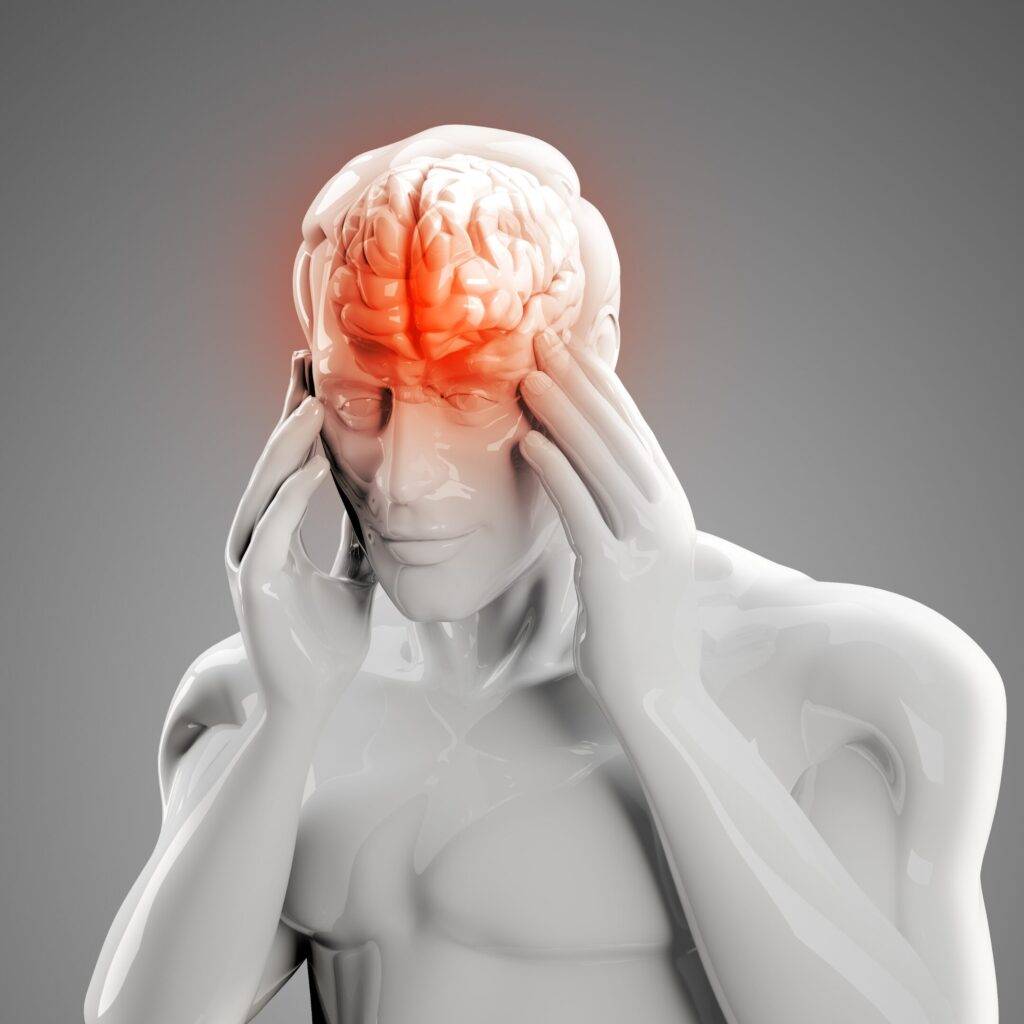
Globally, 70-80 per cent of people complain of an occasional headache, but in 30-40 per cent the pain is a huge problem. In Poland, the scale of the phenomenon is very similar. Out of ten patients who come to our clinic, eight suffer from severe headaches. They have usually been or are being treated by a neurologist, psychiatrist and several other specialists. They are subjected to many tests that show nothing. In cases where there is no cause and the patient still has a headache, migraine is very often diagnosed. Meanwhile, the truth is that these statistical eight patients suffer from bruxism and/or disorders or dysfunctions of the temporomandibular joints. In theatrical anecdotes, one can find stories about how an opera artist, while singing an aria, opened his mouth wide and then could not close it. Such incidents, commonly referred to as "jaw dropping", are rather comical, although not at all funny. And they happen not only when the singer takes a high C, but also, for example, when yawning. Closing the mouth wide open is then accompanied by pain and unpleasant acoustic sensations: crackling, clicking, popping. They are a symptom of dysfunction of the temporomandibular joint (TMJ), a malfunction of the joint connecting the upper and lower jaws. All because of this disc... Malfunctions of the temporomandibular joint, manifested by pain when opening and closing the jaws and by noises made by the jaw joints, are due to the incorrect position of the lower jaw in relation to the upper jaw and the displacement of a piece of cartilage called the articular disc. Its malposition causes it to stop cushioning the movements of the lower jaw, or mandible, and the temporal bone. Important, unusual, busy When we talk about joints, we think of knees, elbows, hips... The temporomandibular joint somehow escapes our attention. Perhaps this is because it is unusual in several respects, different from the joints of our musculoskeletal system: it is made up of a single bone, the mandible, a mobile bone of the skull, and the temporomandibular joint is the only one that is functionally and anatomically linked. The temporomandibular joint, a complex system of bones, articular discs, ligaments and muscles, meanwhile, is very important, frequently used, essential for, among other things, speaking, ingesting and chewing food. It has a complex structure, and this means that its condition affects its overall well-being. It is responsible for moving the jaw forwards, backwards and sideways. It connects the lower jaw to the skull and consists of the articular hollow of the temporal bone, the articular process (condyle) of the mandibular head, the articular disc and the articular capsule. In a healthy temporomandibular joint, this disc always remains between the condyle and the joint fossa. Together with the disc, the condyle of the mandibular head moves on either side. The correct function of the joint and the correct position of the disc ensure that the muscles of the head, neck and shoulders work well. The disc itself is not innervated, but when properly positioned it prevents compression of the nerves and blood vessels in the joint when the jaw is closed. The effect of the compression unbalances the entire joint structure, which in turn affects the nerves, ligaments and muscles of the head, neck and face, bringing pain within them, often confusingly similar to a migraine. The causes of temporomandibular joint disorders range from missing teeth, malocclusion and postural defects, improperly made dentures, a tendency to grinding and clenching of teeth (BRUSSISM), to degenerative changes and pathologies within the joint with or without displacement and blockage of the disc. A separate group of causes is also trauma - to the head or jaw and any situation in which the head is suddenly thrown forward and backward. This is the so-called whiplash injury in traffic accidents. Intubation procedures prior to operations in hospitals also sometimes prove to be indifferent to the function of the joint. Forced opening of the mouth and overstretching of the ligaments and other tissues due to the need to insert a tube into the patient's airway can displace the mandible and interfere with the function of the joint. Treat imperatively Dysfunctions of the temporomandibular joint mean more than simple discomfort, but can promote the development of many diseases and serious conditions, up to and including permanent destruction of the joint. They therefore require medical attention. Treatment methods range from the administration of painkillers and anti-inflammatory agents, physiotherapy (e.g. ultrasound, heat and cold treatment) to the wearing of special appliances, so-called plates or bite splints reducing the harmful effects of clenching the teeth, relaxation techniques allowing the patient to control the tension in the jaw muscles, the state of the teeth - healthy teeth, well-crafted restorations, orthodontic treatment is the starting point for treatment, and often also a condition for the efficiency of the temporomandibular joint. The most common symptoms of TMJ: Do you have a temporomandibular joint disorder: If you answered yes to most of these questions, then you have a temporomandibular joint disorder. If this is the case, we suggest you visit Klinika Unident Union, where dentist Iwona Gnach will answer your questions and help you eliminate the problem. In the meantime, we suggest you what to do to get through the period before your appointment:
Is dental bonding permanent? Facts and myths about crumbling bonding | Unident Union Wrocław

Many patients wonder whether dental bonding is a permanent solution, but whether, after time, the composite starts to crumble, crack or fall off. On the Internet, one can find many conflicting opinions ranging from admiration to criticism. Where do these differences come from? At Unident Union Wrocław, we have been performing dental bonding for 25 years and we know very well that the durability of this method depends not only on the material, but above all on the appropriate preparation of the patient, bite analysis and precision of execution. Facts - what does the durability of bonding really depend on? 1. bite function analysis before bonding The most common cause of fracture and chipping of bonding is the lack of bite analysis.At Unident Union, each bonding is preceded by:- assessment of the jaw relationship,- bite contact analysis,- checking the function of the temporomandibular joints. Why? Because bonding interferes with bite height, contact points and chewing function. If these elements are not taken into account, the composite will be overloaded and will quickly peel off. 2. health of the gums and teeth Bonding should never be applied to teeth with untreated decay, inflamed gums or other outbreaks of disease. Healthy gums (pale pink, non-bleeding) and treated teeth are a prerequisite for durability. 3 Fabrication technique and quality of materials At Unident Union, we work exclusively:- on the highest quality new generation aesthetic composites,- under dry surgical field conditions,- using the best bonding systems. Layering technique, correct curing and care are the key to success. Myths about dental bonding MIT 1: Bonding always peels off after a few years ➡️ Not true. Properly done bonding, on healthy teeth and with correct bite analysis, lasts up to 8-10 years, and often longer. MIT 2: Bonding is not suitable for posterior teeth ➡️ Not true. As long as the bite is well designed, bonding can also be used on posterior teeth - restoring worn surfaces or improving chewing function. MIT 3: Bonding falls off suddenly and cannot be repaired ➡️ Not true. Even if a tooth becomes chipped (e.g. in mechanical trauma), bonding can be repaired quickly and easily. ⸻ How do we take care of the durability of bonding at Unident Union? At Unident Union, the longevity of bonding is not an accident, but the result of a conscious approach:- We precede each bonding with a complete diagnosis of the occlusal function.- We assess the health of the gums, treating any inflammation.- We choose the right composite shade and technique (layering or flow injection).- We work with high-quality equipment, bonding materials and systems.- We educate the patient on how to take care of the bonding (hygiene, avoiding hard foods). ⸻ Comparison of durability - bonding vs. porcelain veneers Composite bonding:- durability: 5-10 years (with possibility of modification, repair),- no grinding of teeth,- easy correction if necessary. Porcelain veneers:- durability: 10-15 years,- require grinding of enamel,- more difficult repair - often replacement of the entire veneer. At Unident Union, we decide on the choice of method after bite analysis and consultation with the patient. ⸻ The most common questions about bonding durability (FAQ)1. Does dental bonding chip easily? Not if it is done correctly, taking into account the bite and the health of the teeth.2. What if the bonding chips? At Unident Union, it can be repaired quickly and without problems.3.How long does a bonding last? On average, it lasts 8-10 years, but it all depends on the occlusal conditions and the patient's care.4. Does a bonding need to be replaced from time to time? There is no need to replace it, as long as it maintains its aesthetics and function - it can be modified. ⸻ Summary - the durability of bonding starts with the diagnosis Tooth bonding is a permanent method, provided that:- it is preceded by bite analysis,- the patient has healthy gums and healed teeth,- the procedure is performed precisely, using appropriate materials. At Unident Union Wrocław, we take care of each of these elements, so our patients can enjoy a beautiful and safe smile for years to come. ⸻ See also:- [Tooth bonding Wrocław - natural smile makeover without grinding]- [Tooth bonding vs. bite analysis - why it's the key to permanence]- [Bonding or porcelain veneers? Comparison of smile improvement methods].
Bonding or porcelain veneers? Comparison of smile enhancement methods
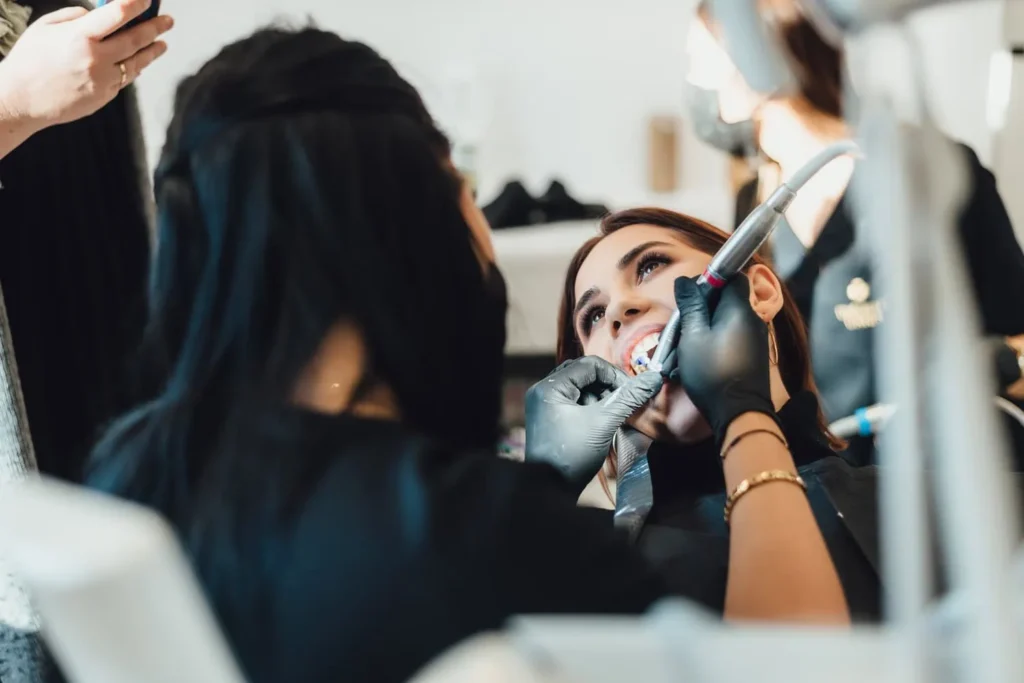
For whom are bonding and porcelain veneers? Bonding is recommended for patients:- with small gaps between teeth,- with worn down, short teeth,- wanting to improve aesthetics without grinding,- looking for a quick metamorphosis,- needing to improve bite before orthodontic treatment (e.g. Beauty Orthodontics - First Bond, Then Ortho),- looking for a flexible solution which can be modified. We recommend porcelain veneers to patients: - who want to achieve the effect of maximum durability,- with discolouration that does not lend itself to whitening,- who expect the highest level of aesthetics for years,- who accept the necessity to grind teeth and several visits. What to choose - bonding or porcelain veneers? At Unident Union, we always decide which method to choose after a detailed consultation, analysis of bite function, gum health and patient expectations. It is important to:- Understand the difference in invasiveness.- Make an informed decision about durability and the possibility of later modification.- Analyse the bite conditions - crucial for the durability of both methods. Make an appointment for a consultation at Unident Union Wrocław You don't have to choose alone. During your consultation, we will help you choose the best method for improving your smile - composite bonding or porcelain veneers - taking into account your health, bite and aesthetics. ⸻ See also:- [Dental bonding Wrocław - a natural smile makeover without grinding]- [Dental bonding versus bite analysis - why it's the key to permanence]- [Is dental bonding permanent? Facts and myths about bonding crumbling].
Bite function analysis and dental bonding - the key to durability and safety | Unident Union Wrocław
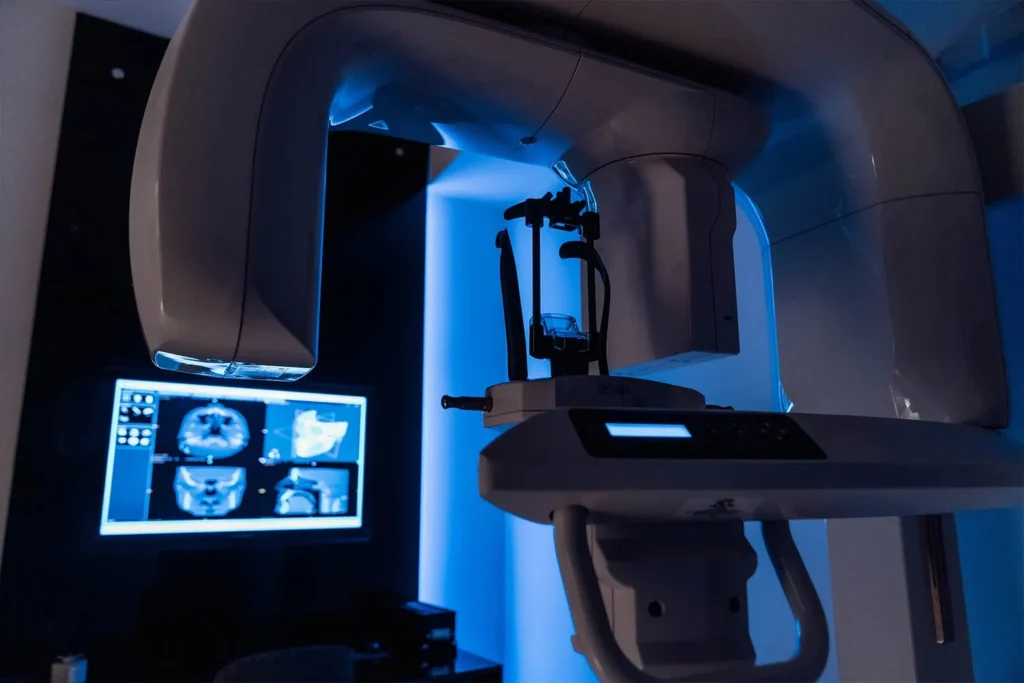
Tooth bonding is one of the most popular methods of improving the aesthetics of a smile. However, at the Unident Union Wrocław clinic, we know that the durability of bonding does not depend solely on the quality of the composite or the execution technique. The absolute foundation is a thorough analysis of the occlusion and occlusal function. Why is occlusal analysis crucial to the safety and longevity of bonding? We answer. What is a bite function analysis? The bite function analysis is an assessment of the relationship of the maxilla to the mandible, the alignment of the teeth, the occlusal contacts and the work of the temporomandibular joints.It allows us to assess:- whether the bite is even,- whether there are no overloads on individual teeth,- whether the height of the occlusion is correct,- how the entire chewing function and the temporomandibular joints work. At Unident Union, we do not perform any bonding without a full bite analysis. Why? What happens when bonding is performed without a bite analysis? Many cases of chipping, cracking and even loosening of teeth after bonding can be traced back to a lack of bite function assessment. Bonding interferes with:- the bite height,- the contact points of the lateral teeth,- the shape of the incisal edges. If the relationship of the maxilla to the mandible is not taken into account and overloading is not checked, the result can be:- crumbling of the composite,- cracking of the restored teeth,- overloading leading to headaches,- loosening of the teeth. What is the bite analysis before bonding at Unident Union? 1. Detailed examination of the occlusion - we assess how the teeth contact each other in close-up and during mandibular movements.2. Assessment of the relationship of the jaw to the mandible - whether there is misalignment, deep bite, open bite, crossbite.3.Checking the function of the temporomandibular joints - we check whether the patient does not have overload or bruxism symptoms.4 Analysing the height of the short-circuit - especially important with old teeth.5 Assessing the health of the gums and periodontal tissues - healthy gums are the basis for the durability of the restoration. Why do patients choose bonding at Unident Union Wrocław? At Unident Union, we never perform bonding "on demand", without prior diagnostics.Our approach is distinguished by:- Close analysis of occlusal function and occlusion before each bonding.- Interdisciplinary approach - orthodontists, prosthodontists and aestheticians analyse the case together.- Proprietary Beauty Orthodontics method - First Bond, Then Ortho, in which bonding precedes orthodontic treatment.- Elimination of the risk of chipping, overloading, headaches - bonding is permanent and predictable. What do you gain from a bite analysis prior to bonding?- Durability of the restoration - bonding will not chip or break.- No overloading - you will not lead to loosening of the teeth.- Comfort of the occlusal function - no joint, muscle or head pain.- Natural effect - the shape of the teeth is matched not only to the face, but also to the correct occlusion. Summary - the durability of bonding starts with the bite analysis If you want your bonding to be not only beautiful, but also durable and safe - choose a clinic that does not ignore the bite function.At Unident Union Wrocław, we know that aesthetics and health go hand in hand. Make an appointment for a consultation and find out how to consciously plan the metamorphosis of your smile. See also:- Dental bonding Wrocław - natural smile makeover without grinding- [Bonding or porcelain veneers? Comparison of smile enhancement methods]- [Is dental bonding permanent? Facts and myths about bonding crumbling].
Teeth bonding Wrocław - natural smile makeover without grinding | Unident Union

Tooth bonding is the fastest and least invasive way to improve the shape, colour and proportions of teeth - without grinding and multi-stage treatment. At the Unident Union Wrocław clinic, we have been performing bonding for over 25 years, using it both for aesthetic purposes and as part of comprehensive orthodontic and prosthetic treatment. Learn about our working philosophy, what dental bonding is, and find out why the durability of this method depends on the bite analysis and proper preparation of the patient. What is dental bonding? Tooth bonding is the reconstruction of teeth with light-curing composite. Thanks to this method, it is possible to:- close gaps (diastemas),- improve the shape and length of teeth,- rebuild worn down, chipped or discoloured teeth,- immediately improve the aesthetics of your smile - without grinding your teeth. At Unident Union, we perform bonding in a layered technique, reproducing the natural translucency, opalescence, halo effect and structure of the enamel surface. We individually adjust each tooth shape to the oval of the face, the length of the nose, the spacing of the eyes and the proportions of the patient's face. Who is tooth bonding for? Tooth bonding is the ideal solution for patients who:- have worn down, short or small teeth,- want to close gaps between teeth (diastemas),- are struggling with discolouration (e.g. after antibiotics),- are suffering from a tooth loss (e.g. after a toothache) want to close gaps between teeth (diastemas),- are struggling with discolouration (e.g. after antibiotics),- are looking for an immediate effect without grinding,- need restoration of worn down areas after bruxism (with preservation of bite analysis),- want to make an aesthetic makeover before orthodontic treatment (e.g. Beauty Orthodontics - First Bond, Then Ortho method),- are looking for a solution which is easy to modify or correct if necessary. What does bonding look like step by step at Unident Union?1. Detailed dental consultation2. Analysis of occlusal function and occlusion - we assess the relationship of the maxilla to the mandible, the contact points and the work of the temporomandibular joints.3. Assessment of the health of the gums and teeth - we eliminate decay, inflammation of the gums, perform conservative treatment.4. Smile design - visualisations and mock-ups.5. Selection of the appropriate composite colour and technique (layering or flow injection).6. Precise execution of bonding during one visit.7. Control of the occlusal function after restoration. Why bonding at Unident Union Wrocław? Aesthetics at the highest level:- Layered technique - we reproduce translucency, opalescence, natural shine.- Matching of tooth shapes to the oval of the face, length of the nose and spacing of the eyes.- Smile Arc analysis, intercuspal angles, appropriate exposure of incisors under the upper lip (lip factor).- Maximum natural effect, subtle, refined in every detail. Safety and durability:- Each bonding is preceded by an analysis of the occlusal function - we do not apply bonding on a malocclusion.- We work in a dry surgical field, using the highest quality bonding systems.- We eliminate the risk of overloading, headaches, chipping of the composite. Comfort of treatment:- Effect within one visit - no grinding of teeth.- Possibility of corrections or modifications of bonding in the future.- We make visualisations, mock-ups - the patient sees the effect exactly before execution. Our unique approach:- Proprietary Beauty Orthodontics method - First Bond, Then Ortho, used exclusively at Unident Union.- 25 years of bonding experience and an interdisciplinary approach - orthodontics, prosthetics, aesthetics work together in each case.- Comprehensive treatment with full bite function and oral health. Why does the durability of bonding depend on the bite analysis? The most common cause of bonding detachment is the lack of consideration of the bite function. At Unident Union:- we analyse the relationship of the maxilla to the mandible,- we check overloading at the contact points,- we assess the condition of the temporomandibular joints. This ensures that bonding remains durable, safe and stable for years to come. You can read more about this in the dedicated post:Dental bonding vs bite analysis - why it's the key to permanence ⸻ Bonding vs porcelain veneers - which to choose? Not sure whether composite bonding or porcelain veneers are the better option? Read:[Bonding or porcelain veneers: a comparison of smile enhancement methods] ⸻ Does dental bonding peel off? If you've heard that bonding crumbles easily - be sure to check out the facts:[Is dental bonding permanent? Facts and myths about bonding crumbling] ⸻ Make an appointment for a consultation at Unident Union Wrocław If you dream of a natural metamorphosis of your smile without grinding, and at the same time you are concerned about the safety and permanence of the result - come to Unident Union for a consultation.Together we will plan your bonding with full consideration of your health, aesthetics and bite function. ⸻


